
Kenya is known for its pioneering role in mobile money and digital payments, notably through the success of M-Pesa, a leading mobile money platform since 2007. This innovation has revolutionized financial transactions in the country, from everyday payments to more complex financial activities. Building upon this foundation, various financial institutions have developed digital solutions like loan products and payment apps to enhance the ease of transactions for Kenyan users.
Despite the success of mobile money platforms like M-Pesa and Airtel Money, there remains a disconnect between these systems and traditional banks. This gap often leads to inefficiencies, especially for businesses that need to manage payments across different platforms, such as card payments, mobile wallets, and traditional bank transfers.
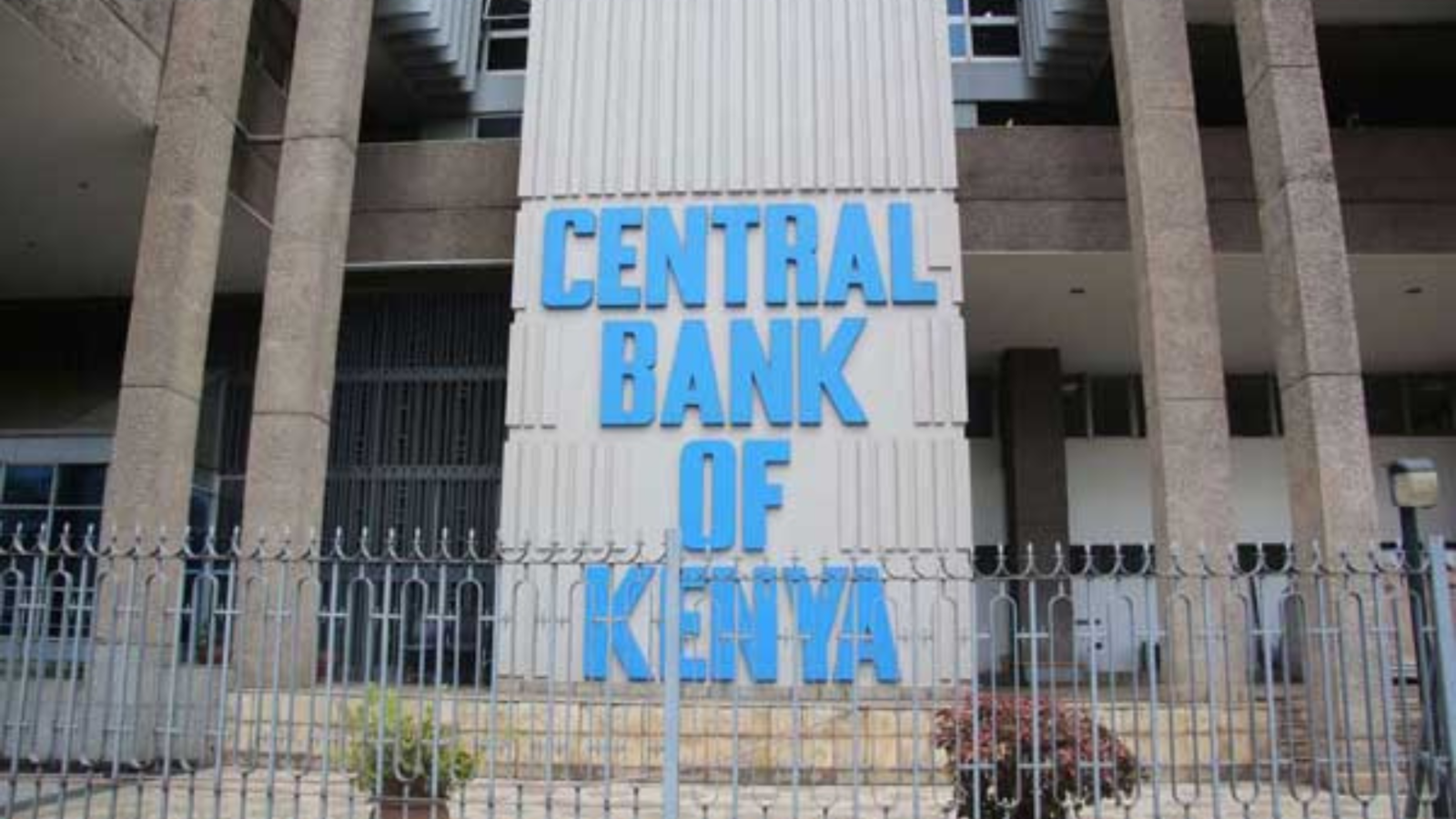
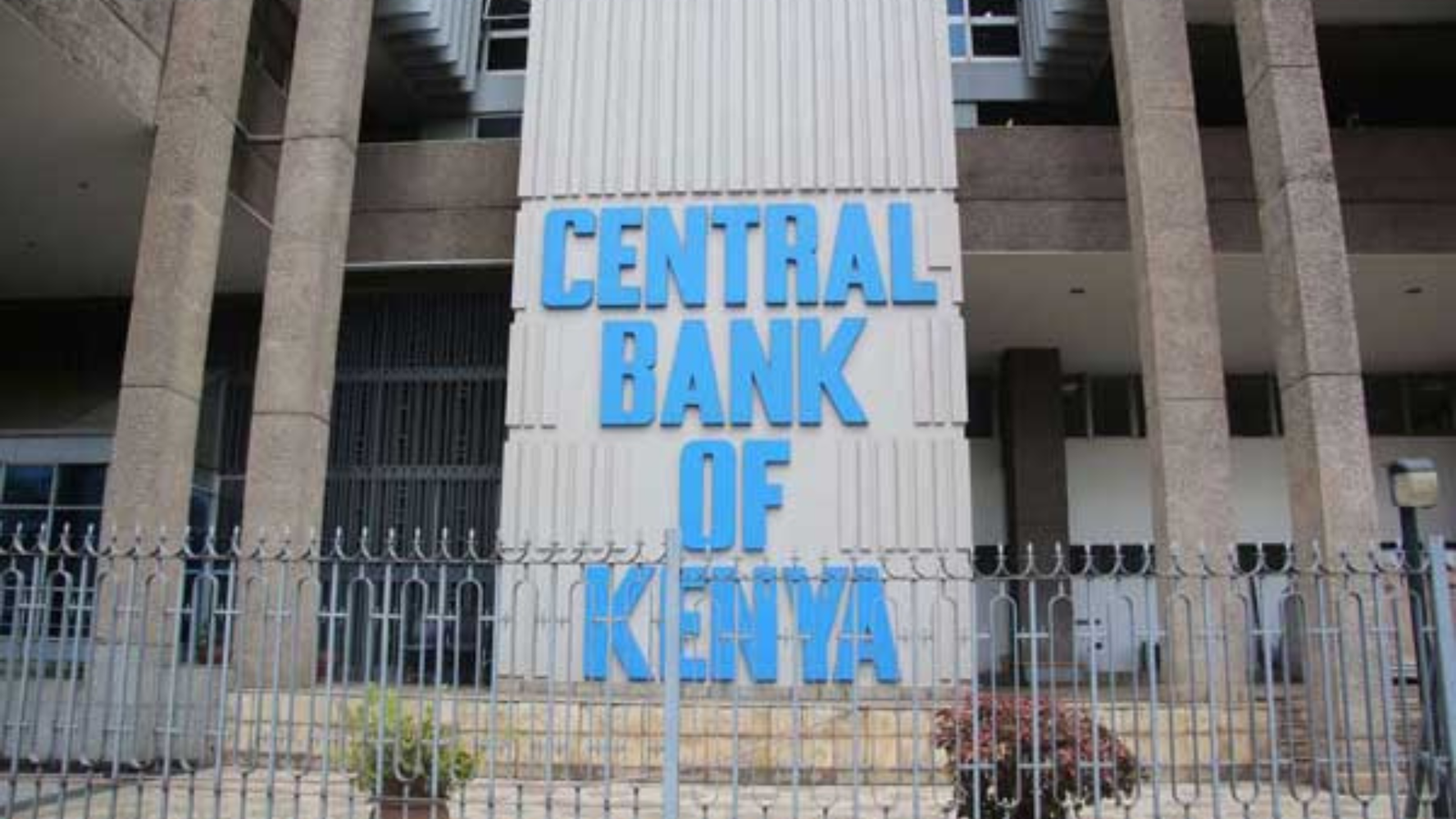
The Central Bank of Kenya (CBK) aims to address this issue. The CBK recently announced plans for the Fast Payment System (FPS), designed to facilitate instant transfers between all financial institutions, including banks and licensed payment service providers. With FPS, users can seamlessly transfer funds between different accounts and make payments using various digital platforms without compatibility concerns.
While Kenyan commercial banks support the CBK’s initiative, they propose leveraging an existing platform, Pesalink, owned by their fintech subsidiary, Integrated Payment Services Limited (IPSL). Pesalink currently enables rapid interbank transfers and operates seamlessly even during weekends and holidays. Banks argue that enhancing Pesalink would be a swift and cost-effective way to achieve the CBK’s vision of a unified payment system.
Although Pesalink facilitates person-to-person transfers among member banks, it faces challenges in integrating with mobile money platforms and other fintech services. This limitation hinders users who need to transact across different payment systems, potentially restricting their options.
The CBK’s decision is poised to shape Kenya’s financial landscape. Whether by building upon Pesalink or developing a new framework, this move could define the next phase of innovation in the country’s payment sector. The outcome will impact businesses and individuals alike, with seamless integration offering new possibilities while fragmented systems could impede the progress of digital transformation in Kenya.