
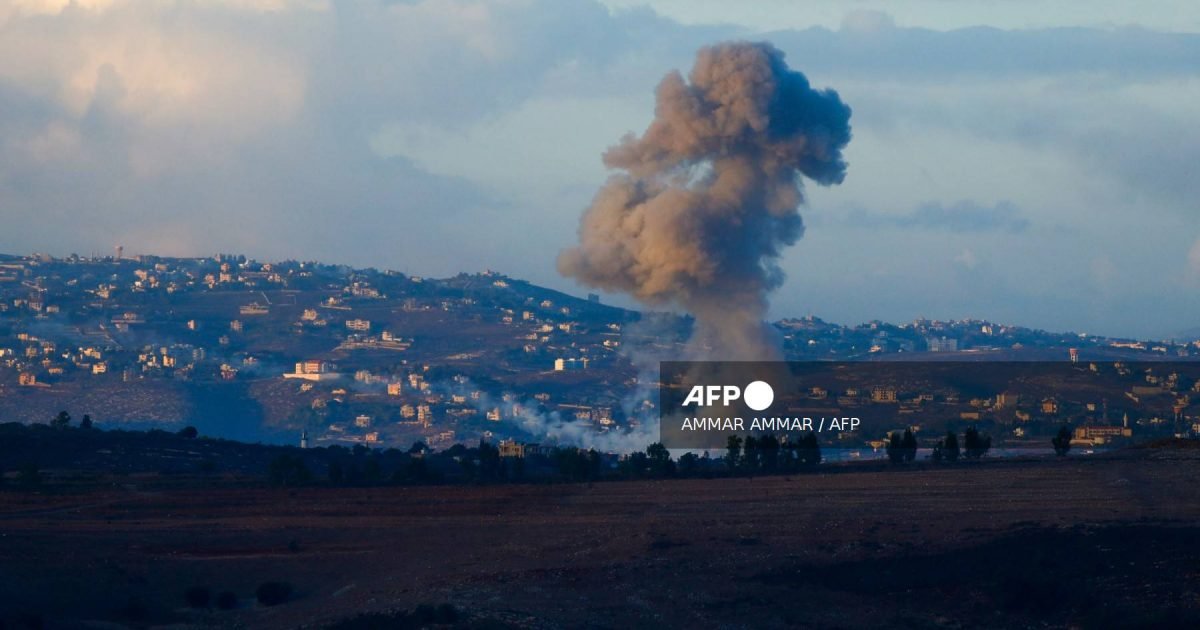
In the darkness of the night sky, a bright fireball illuminated the surroundings, casting plumes of smoke over south Beirut. This event marked the beginning of intense air strikes by Israel targeting Hezbollah, almost a year after the Gaza conflict began.
Israeli forces heightened their alertness in anticipation of the anniversary of Hamas’s October 7 attack, which initiated the war. Shifting their focus from Gaza to Lebanon, Israel directed its attention towards Hezbollah, Hamas’s ally supported by Iran.
Reports from Lebanon’s official National News Agency indicated that south Beirut, a stronghold of Hezbollah, was struck by over 30 air strikes, causing widespread destruction, including hitting a petrol station.
Israel’s military stated that the strikes targeted weapons storage facilities and infrastructure, emphasizing efforts made to minimize civilian casualties. Footage captured a massive fireball engulfing a residential area in south Beirut, with subsequent explosions and billowing smoke.
In response to Israeli actions, Hezbollah engaged in artillery strikes against Israeli forces attempting to infiltrate southern Lebanon. Hezbollah claimed to have fired rockets at Israeli troops during a confrontation in the Menara border area.
Israeli military spokesperson Rear Admiral Daniel Hagari warned of potential attacks on the home front in anticipation of the grim anniversary. The conflict between Israel and Palestinian militants last year resulted in significant civilian casualties, prompting ongoing military operations in Gaza and now Lebanon.
Israel reported targeting and killing several Hezbollah fighters, aiming to facilitate the return of displaced Israelis affected by Hezbollah rocket attacks. Israeli President Isaac Herzog labeled Iran as an ongoing threat following retaliatory missile strikes by Tehran.
Tensions escalated as Iran vowed to continue resistance in the region, prompting Israel to prepare for potential responses. The situation further complicated efforts to reach ceasefires in Gaza and Lebanon, with international mediators struggling to secure the release of hostages and negotiate peace agreements.
As the conflict unfolded, casualties mounted on both sides, raising concerns about the humanitarian crisis and the impact of the ongoing violence. Calls for peace and cessation of hostilities echoed worldwide, emphasizing the need to address the root causes of the conflict and seek diplomatic solutions.