
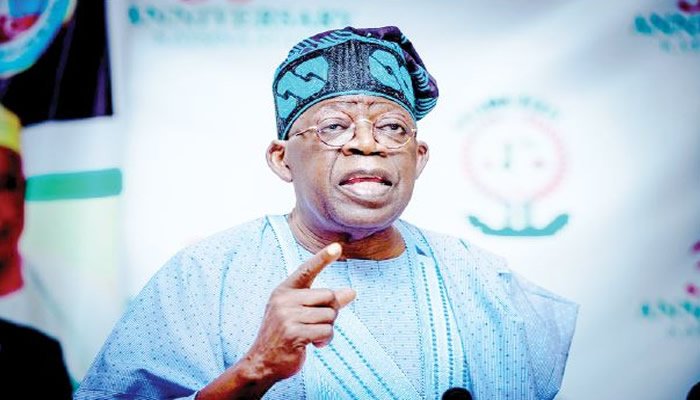
The proposal of a 30-day National Youth Conference, as mentioned in a recent address by a prominent figure, is a commendable step towards addressing the challenges faced by the youth population. However, its success will depend on factors such as timing, logistics, and political commitment.
The conference aims to provide a platform for young people to engage in meaningful dialogue, participate in nation-building, and collectively find solutions to issues like education, employment, security, and social justice.
The selection of delegates for the conference will be done in consultation with representatives of the youth population, as per the announcement.
Statistics indicate that youths between 15 and 35 years old make up a significant portion of the population, highlighting the need for initiatives to address their challenges, such as access to education and employment opportunities.
While the conference proposal is a positive step, some view it as a reactive response to recent youth protests, calling for more immediate actions like good governance, job creation, and economic stability.
Concerns have been raised about the government’s track record in addressing youth issues and the feasibility of implementing recommendations that may arise from the conference.
The logistical challenges of organizing such a large-scale event for youth are also under scrutiny, with questions about the allocation of resources and potential alternative uses for them.
Reflecting on past national conferences, which faced challenges in implementation, there are doubts about whether the proposed youth conference will lead to tangible outcomes unless there is a genuine commitment to follow through on its recommendations.
Ultimately, the government is urged to consider the implications of the conference, ensuring it is not merely a symbolic gesture but a meaningful step towards addressing the concerns of Nigerian youth and restoring their confidence in the system.