
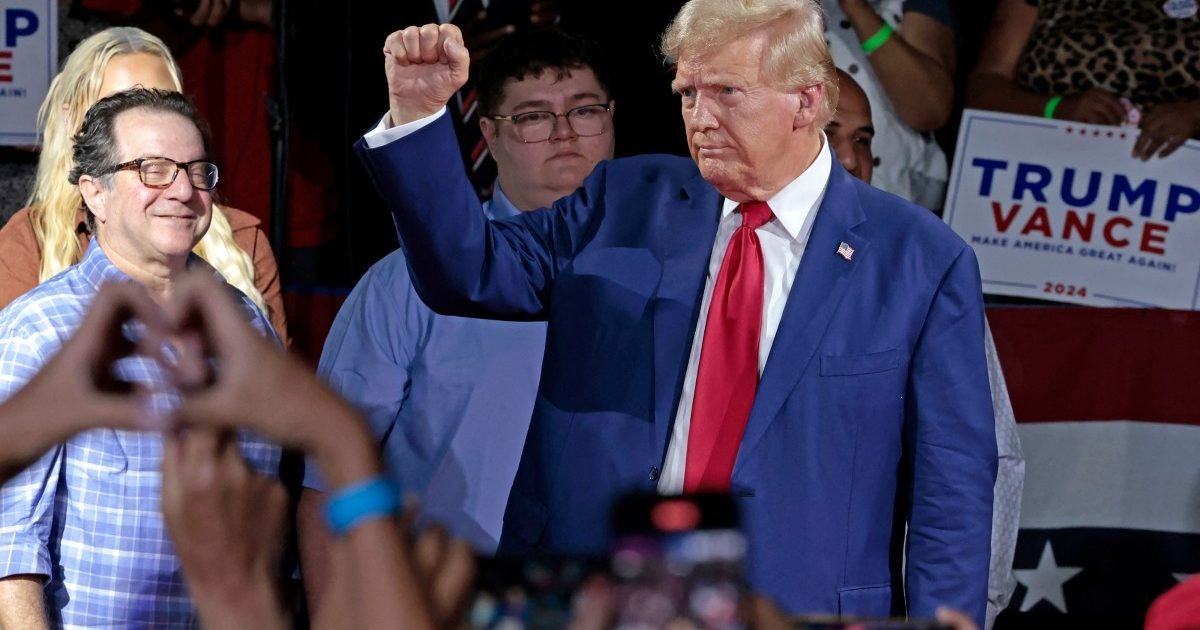
During a rally, a political figure addressed accusations of authoritarianism and refuted claims of being labeled a fascist or Nazi. The opposing candidate and their team have intensified political rhetoric as they enter the final stage of the closely contested US election. The campaign has become increasingly tense, with accusations of stoking divisions and inflammatory remarks being exchanged.
The political figure denied being associated with Nazism, emphasizing being the opposite of a Nazi. This response came after a previous rally that received criticism for racist remarks made by allies. Additionally, a former White House chief of staff described the political figure as fitting the definition of a fascist, leading to further disagreements.
The political atmosphere is charged, with concerns about a refusal to accept defeat and harsh rhetoric targeting migrants and opponents. Incidents such as a fire destroying early ballots and ballot box tampering have added to the tension. Criticism has been directed at the political figure for derogatory comments made at a rally, including remarks about Puerto Rico.
The opposing candidate condemned the divisive rhetoric and behavior, highlighting the need for unity and strength as a nation. Campaign events aimed at mobilizing supporters and targeting swing states have intensified, with both candidates vying for undecided voters.
As the election nears, the focus remains on energizing supporters and appealing to persuadable voters. The final efforts include delivering closing arguments and addressing key issues from significant locations.