
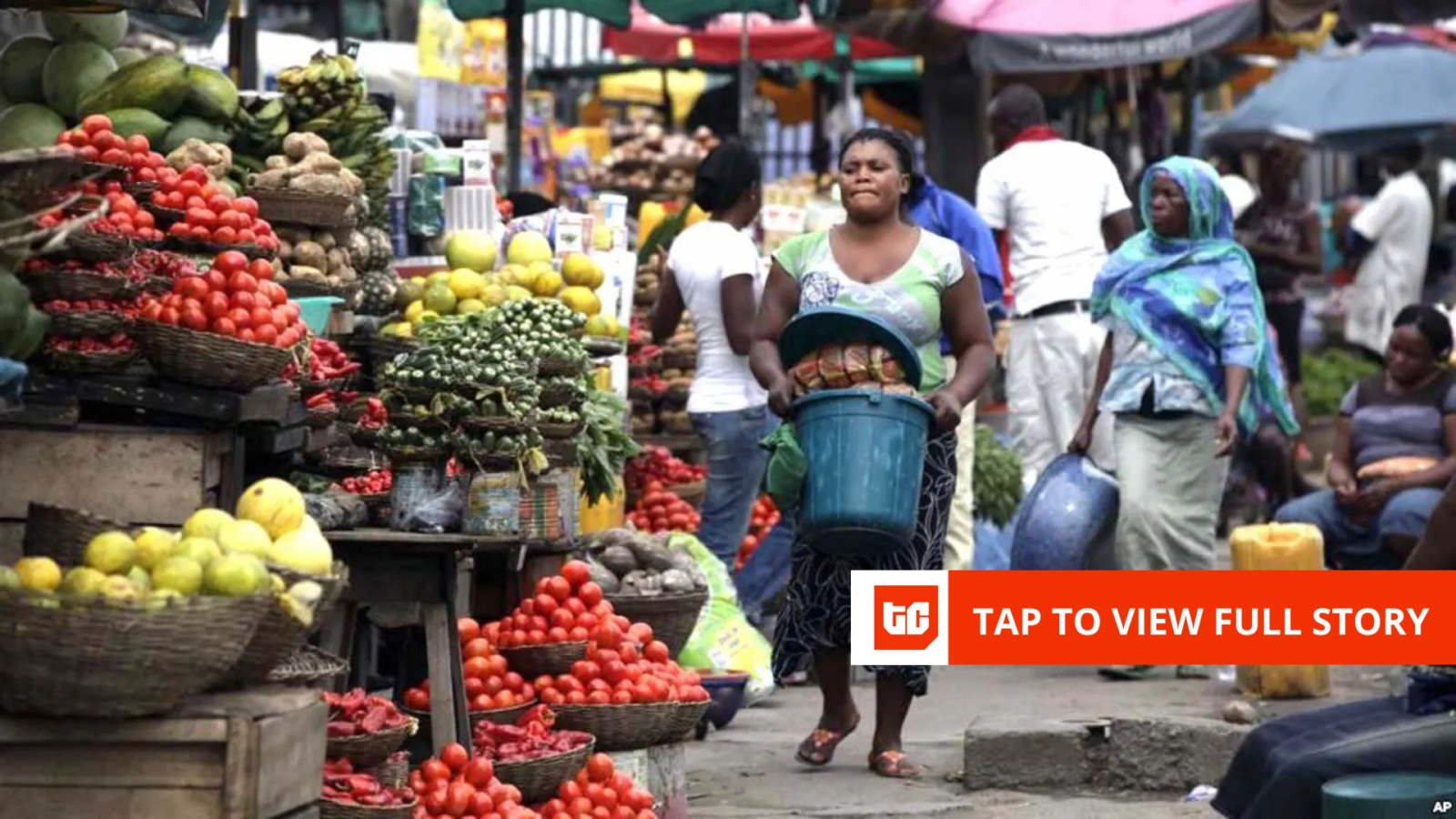
The latest data from the National Bureau of Statistics shows that Nigeria’s inflation rate rose to 33.8% in October due to increased fuel prices and floods impacting food production areas. Food inflation also accelerated to 39.16% in the same period. Factors such as flooding in agricultural states, transportation costs, and the failure to implement a food import waiver have contributed to these increases.
The rising inflation rate adds to the challenges faced by Nigerians dealing with a significant cost-of-living crisis. High fuel costs, unstable power supply, and escalating prices for essential goods are putting immense financial pressure on the population. The Central Bank of Nigeria is expected to maintain its tightening monetary policy to address the persistent inflationary pressures, with a potential interest rate hike on the horizon.
In September, the Central Bank raised interest rates by 50 basis points to control inflation. With another rate decision imminent, analysts predict a further increase in borrowing costs. The economic landscape remains uncertain as Nigerians navigate through these challenging times.