
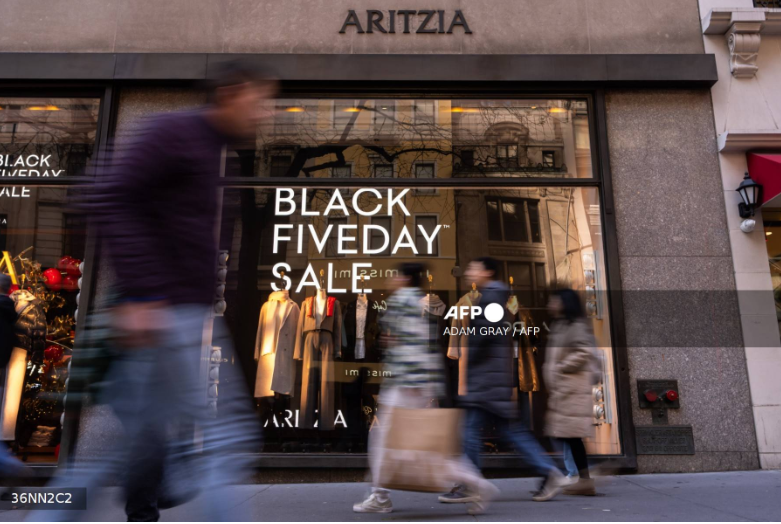
During the “Black Friday” shopping rush in the United States, concerns about inflation have led to cautious spending among consumers. To counter this, retailers in the country are offering attractive discounts to entice shoppers.
The National Retail Federation has reported a record number of people planning to shop over the weekend, with hopes that this shopping season from Thanksgiving to Christmas will boost retail sales.
Originally known for its single-day frenzy of bargain hunting, “Black Friday” has now extended into a weekend-long event, incorporating “Small Business Saturday” and “Cyber Monday.”
Online spending for Black Friday is projected to reach $10.8 billion, a significant increase from the previous year. Despite a slight easing of inflation post-COVID, consumer prices remain higher than pre-pandemic levels, causing some shoppers to be cautious with their spending.
Holiday shoppers are now more focused on seeking value and discounts, reflecting a trend of increased price sensitivity. The National Retail Federation anticipates a growth in holiday spending compared to the previous year, reaching up to $989 billion over the festive season.
Inflation has hit low-income households hard, but some retailers in these areas are reporting strong sales. Despite financial stress, there are signs of improvement in real incomes for the first time since 2021.
While Thanksgiving marks the beginning of the holiday shopping season, the late timing of the holiday this year has made it shorter than last year, prompting retailers to start promotions earlier.
Black Friday deals not only target American consumers but also attract international tourists and bargain-hunters seeking discounts. Visitors from abroad often find shopping in the US more affordable, even factoring in travel and accommodation costs.
Overall, despite concerns about inflation and the economy, the retail sector is optimistic about holiday spending and is working to provide attractive deals to shoppers.