
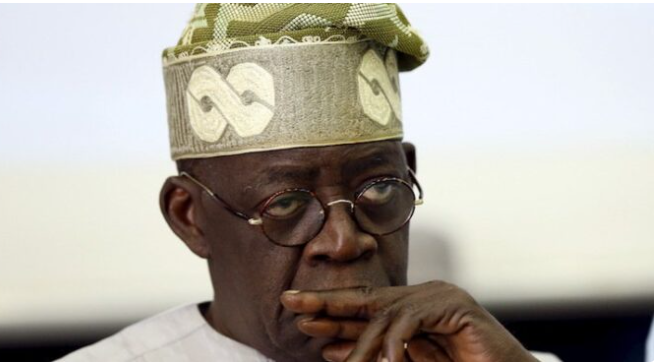
The Tax Reform Bills proposed by President Bola Tinubu aim to shield small businesses from excessive taxation and tackle issues of tax avoidance and evasion. However, these bills are facing resistance from politicians in northern regions who argue that the reforms are biased against their area.
The President submitted four tax reform bills to the National Assembly in September 2024, based on recommendations from the Presidential Committee on Fiscal and Tax Reforms. These bills cover various aspects such as fiscal frameworks, tax administration, establishment of revenue services, and the creation of a tax tribunal and ombudsman.
Northern governors and lawmakers have strongly opposed these bills, claiming they could harm the region’s economy. They are particularly against changes in the VAT sharing formula, fearing it could disadvantage their states.
Several prominent figures, including former Vice President Atiku Abubakar and ex-Sokoto State Governor Aminu Tambuwal, have voiced their disapproval of the bills, citing concerns about the timing and potential negative impacts on citizens.
Various stakeholders, including civil society organizations like the Civil Society Legislative Advocacy Centre (CISLAC), have called for broader consultations and revisions to ensure fairness, transparency, and inclusivity in the tax reform process. They emphasize the need for careful consideration of issues like VAT sharing, revenue distribution, and support for economically disadvantaged states.
There is a push for more engagement with stakeholders, transparency in tax collection, and investment in infrastructure and essential services to ensure that taxes benefit all citizens. The focus is on promoting economic development, job creation, and accountability in the tax system.
Efforts are being made to address concerns and improve the tax reform bills before they proceed to the next stage of legislative review.