
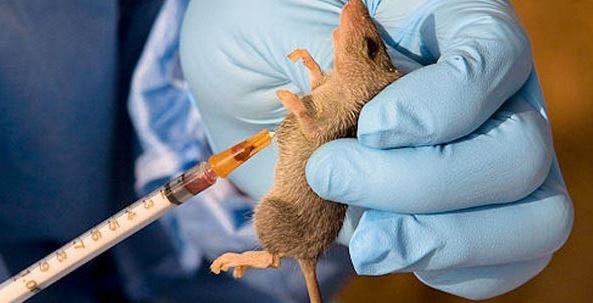
For a country accustomed to frequent fatalities, the loss of 190 lives due to a preventable disease within a year is a cause for concern.
In a recent announcement, the Director-General of the Nigeria Centre for Disease Control and Prevention revealed that 190 individuals succumbed to the Lassa virus in 2024.
It is imperative for Nigeria to implement robust and lasting measures to combat this troubling trend.
The reported cases span six states, with varying levels of vulnerability. Urgent action is needed to contain the outbreak in the most affected regions.
Online reports highlight the significant burden of the disease in specific states like Edo and Ondo, underscoring the pressing need for intervention.
Lassa fever outbreaks are an annual occurrence in Nigeria, posing a persistent challenge.
The virus spreads to humans through contact with contaminated items, leading to severe symptoms and, in some cases, fatalities.
Efforts to combat the disease are hindered by the absence of an approved vaccine, despite the establishment of emergency response measures by the NCDC.
Addressing this public health crisis demands a comprehensive approach beyond reactive responses.
Health authorities acknowledge the high risk posed by Lassa fever, emphasizing the need for sustained vigilance and preparedness.
Enhancing healthcare infrastructure and promoting hygiene practices among the populace are vital steps in curbing the disease’s spread.
The recurrence of outbreaks in the same regions underscores the need for a strategic and long-term healthcare strategy.
Recent data showcases a concerning escalation in infection cases and fatalities, signaling a public health emergency that demands immediate attention.
Nigeria must prioritize healthcare reforms to address systemic deficiencies and improve overall health outcomes for its citizens.
The country’s current healthcare ranking underscores the urgent need for substantial improvements to meet international standards.
Access to quality healthcare remains a challenge, leading many Nigerians to seek medical treatment abroad, highlighting systemic issues within the healthcare sector.
Nigeria’s healthcare challenges contrast starkly with countries like Cuba, known for prioritizing public health and achieving notable success with limited resources.
Effective healthcare models focus on prevention, community engagement, and equitable access to medical services.
Nigeria’s healthcare system must undergo significant reforms to ensure better health outcomes and address critical deficiencies.