
This content is contributed by Paschal Okeke, Head of Ops & Expansion at CrissCross, and Gwera Kiwana – Expansion & Partnerships, Avian Labs as part of the Emerging Trends in Cross-Border Payments: A Growth Guide for Stakeholders report authored by Aroghene Favour Ndulu and Paschal Okeke.
What technologies are currently not fully utilized in Africa’s cross-border payment systems? Two answers that come to mind are blockchain and multi-currency account APIs.
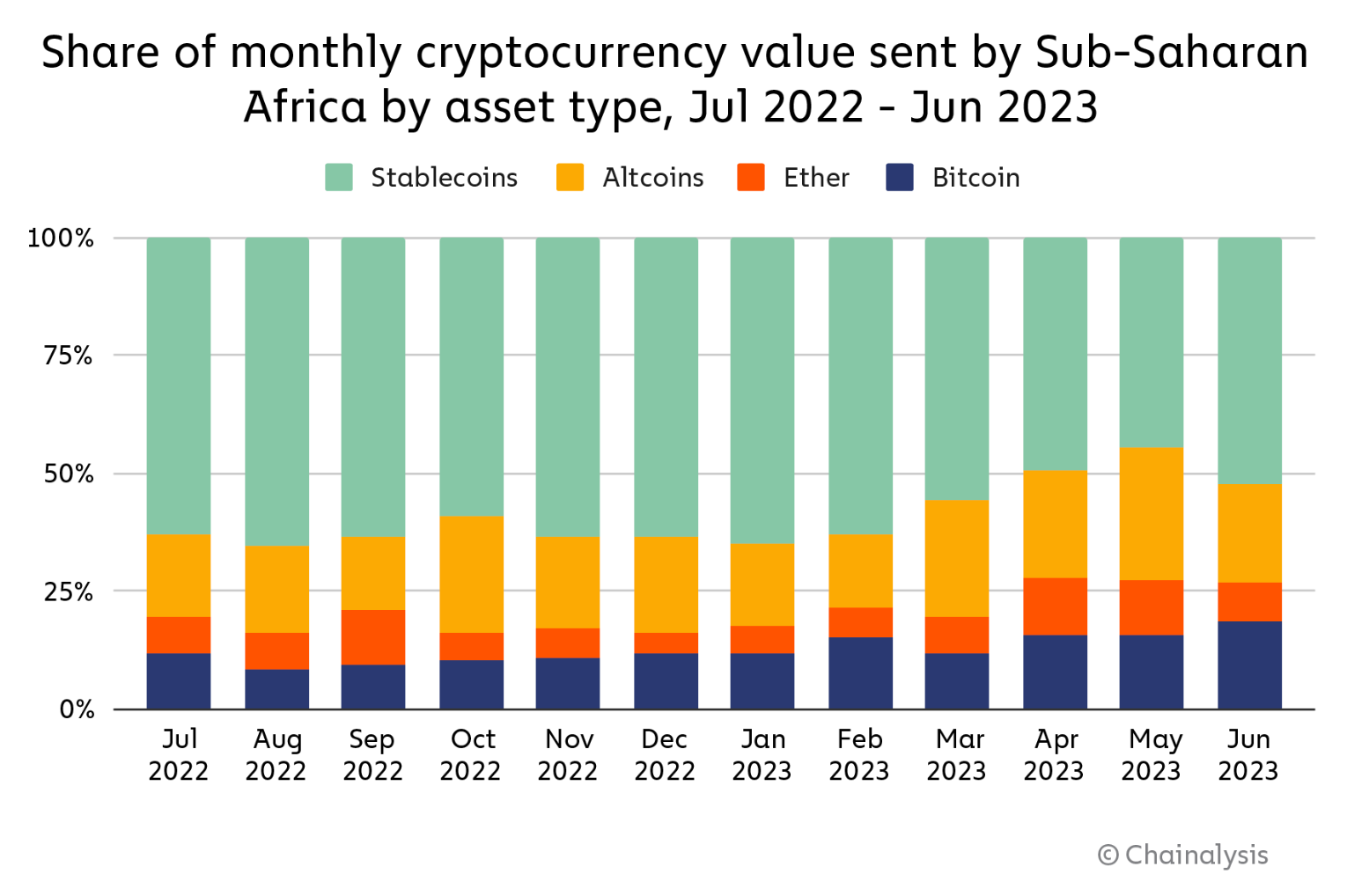
Blockchain adoption has been slow due to regulatory challenges, compliance issues, and the volatility of cryptocurrencies. Governments and financial institutions are still working on regulations for blockchain payments. Stablecoins have helped address the volatility problem.
Blockchain makes cross-border payments more affordable, quicker, and secure. Unlike traditional methods, blockchain payments do not require intermediaries, and transactions are recorded on a public ledger.
Multi-currency account APIs enable fintech companies to create bank accounts for their users through partnerships with financial institutions. These accounts enhance borderless payments by providing increased liquidity access. Unfortunately, this infrastructure is only well-developed in a few African markets such as Nigeria, Ghana, and Kenya.
If businesses had access to multi-currency accounts across Africa, currency exchange would be cheaper, settlements faster, and reconciliation easier. This would lead to smoother FX operations and benefit borderless trade.
Leveraging AI to combat fraud
One common use of AI is in transaction monitoring. Machine Learning algorithms can detect unusual spending patterns and flag suspicious activities, helping prevent identity theft, card fraud, and phishing attempts. AI can also assist in creating risk profiles, verifying document authenticity, and enhancing due diligence processes.
APIs and integrating cross-border payment solutions
APIs streamline operations for companies providing settlements in multiple countries. By using APIs, businesses can offer various payment options, currencies, and geographies, and manage their treasury effectively.
APIs eliminate the need to start payment solutions from scratch. For example, APIs can provide real-time exchange rates, protecting transactions from currency fluctuations. They also aid in interoperability by connecting with multiple brokers behind the scenes.
Stablecoins and cross-border payments in Africa
Stablecoins facilitate faster and more cost-effective remittances. They offer a seamless user experience for currency transfers.
With stablecoins, converting currency when traveling becomes straightforward. For instance, converting Naira to USDC and then to Rufiyaa (Rf) for transactions in the Maldives can be done efficiently without the need to access local currency exchange services. Stablecoins provide a convenient way to access real value in emerging countries.
Interoperability in payment systems
Interoperability remains a challenge in Africa. Custom solutions are necessary to meet the needs of different markets, especially in emerging economies like Africa.
Traditional banks are in a position to drive interoperability due to their resources and data. Some banks are already working towards providing integrated borderless payment services, and their progress in this area will be crucial for the future.
You can access the complete report on cross-border payments growth here.
__________________
Paschal Okeke– Head of Operations at CrissCross, a company specializing in cross-border payments leveraging modern blockchain and fiat technologies. He has extensive experience in global operations at companies like Binance and Bolt.
Gwera Kiwana– Expansion & Partnerships at Avian Labs. Gwera specializes in fintech and web3, with a focus on scaling global fintech companies. Currently, she is driving global expansion and partnerships at Avian Labs for Sling Money.