
On a bustling afternoon in Ketu, Lagos, the air was filled with the aroma of baked goods and vehicle emissions. Amidst the hustle, a small business center painted in the colors of a well-known telco caught the eye. This center offered a range of services, including NIN registration, which seemed to be its most profitable venture.
During a visit to the center, it became evident that customers faced challenges with NIN-related issues. Some individuals experienced their SIM cards being blocked due to invalid NINs, leading to frustrations and misunderstandings. Despite claims of being licensed to provide NIN services, the staff at the center misled customers by demanding fees for services that were supposed to be free.
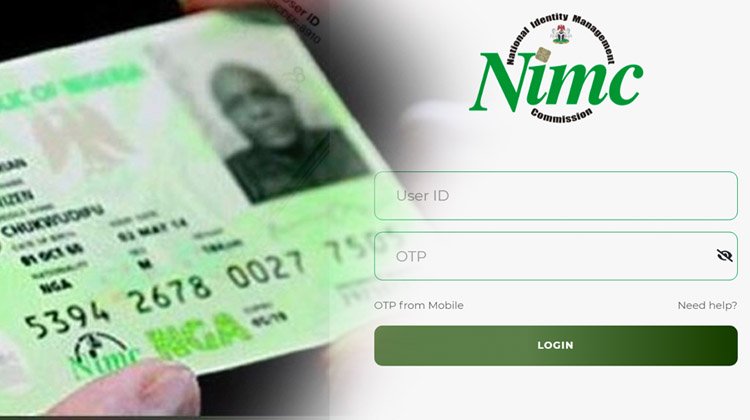
Further investigation revealed a pattern of extortion across various locations in Lagos, where agents charged fees for NIN registrations and corrections. The National Identity Management Commission has repeatedly emphasized that NIN services are free and warned against extortion practices.
Despite these warnings, the culture of corruption persists, with individuals hesitant to report such incidents. The NIMC has urged the public to report any extortion cases through official channels to curb these illicit activities. However, the lack of enforcement and accountability contributes to the ongoing challenges faced by citizens seeking legitimate services.
Experts highlight the detrimental effects of corruption within identity management services, emphasizing the risks it poses to national security and public trust. Efforts to address these issues require stronger enforcement mechanisms and accountability measures to ensure that citizens can access essential services without being exploited for financial gain.
In conclusion, the prevalence of extortion in NIN registration processes underscores the urgent need for effective enforcement and oversight to protect citizens’ rights and prevent fraudulent practices.