
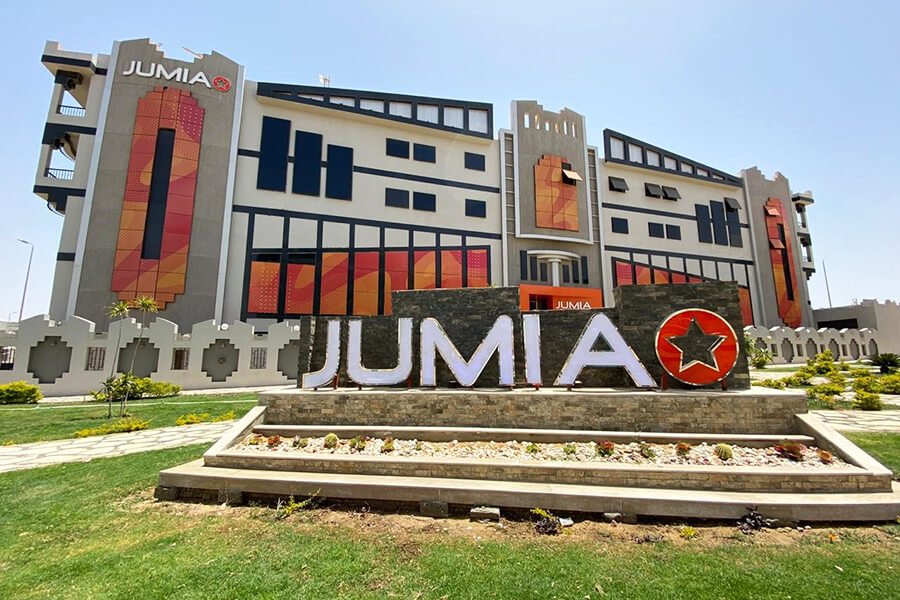
The African e-commerce company, Jumia, experienced a significant 28% drop in its share price due to ongoing losses despite improvements in cost efficiency. This decline, from $3.88 to $2.82 per share, led to a decrease in market capitalization from $1.3 billion in Q3 2024 to $285.2 million.
Jumia reported a 10% decline in revenue to $167.5 million in 2024, with the fourth quarter showing a 23% reduction year over year to $45.7 million. The company’s performance in constant currency terms remained steady, but its exposure to macroeconomic instability impacted its USD results.
The company’s losses widened, pointing to inefficiencies in its infrastructure, particularly with an 11% increase in logistics costs year-on-year. As global investors seek profitable ventures amid rising interest rates, Jumia’s inability to turn a profit has led to downward pressure on its stock value.
Despite a decrease in active customers following its exit from certain markets, Jumia saw improvements in customer repurchase rates and order numbers. The company projects its gross merchandise value (GMV) to reach $795–830 million in 2025, contingent on stable FX rates, a factor that investors may view skeptically given recent challenges and missed targets.
Jumia’s expansion into secondary cities in 2024 led to a shift in order values, with a significant portion of orders coming from these areas. Additionally, a decline in high-margin corporate sales in Egypt contributed to GMV decreases in reported terms.
Investor confidence in Jumia’s growth, profitability, and sustainability remains uncertain. The recent share price drop may signal continued skepticism until the company demonstrates a clear path to financial stability and growth.