
Bauchi State’s recent decision to adjust school calendars to align with Ramadan has sparked debates on the intersection of religion and education. The move to include a five-week break during the holy month has raised concerns about balancing religious observances with academic progress.
The state’s Ministry of Education released the academic calendar for 2024/2025, outlining term dates and breaks. The decision to synchronize the term break with the start of Ramadan has triggered discussions on the implications of extended school closures on students’ learning outcomes.
While some argue that accommodating religious practices in the academic calendar promotes inclusivity, others express concerns about the prioritization of faith over education. The debate has reignited conversations on Sharia law, secularism, and the influence of religion on governance in Nigeria.
Critics question whether similar considerations would be given to non-Muslim religious practices, highlighting the need for clear policies on integrating religious observances into the national academic framework to ensure fairness for students of all backgrounds.
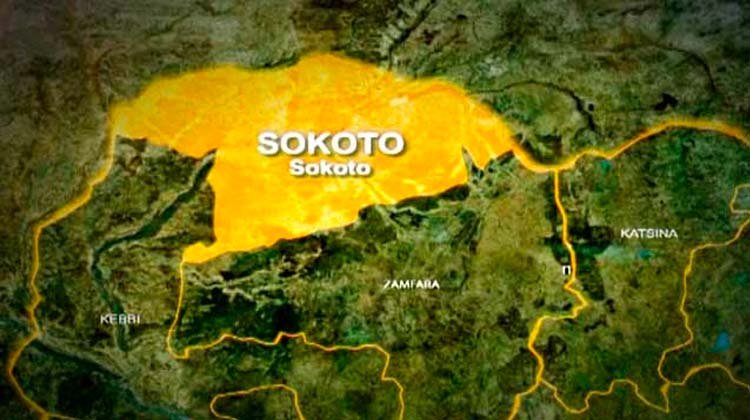
In other regions like Kebbi and Kano states, similar decisions to close schools for Ramadan have been made, prompting discussions on the impact of such policies on educational continuity and religious freedom. However, in Zamfara State, schools are expected to remain open during the fasting period, emphasizing the varying approaches to religious accommodations in different regions.
The ongoing debate on the role of religion in governance extends to the South-West region, where calls for the implementation of Sharia law have sparked diverse perspectives from stakeholders. Traditional rulers, religious leaders, and cultural organizations have expressed opposing views on the potential introduction of Sharia courts, citing concerns about religious freedoms, constitutional rights, and social cohesion.
Amidst the discussions, various voices have emerged, advocating for a balanced approach to education that respects both secular principles and religious practices. The need to address educational disparities, avoid religious bias in policymaking, and uphold national development without compromising individual rights remains a central theme in the ongoing discourse.