
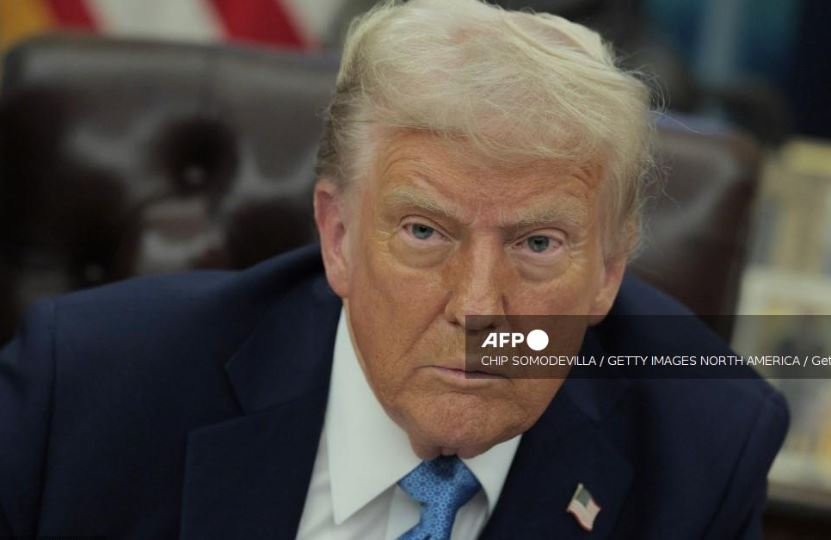
US President Donald Trump recently addressed the issue of deporting alleged Venezuelan gang members to El Salvador, denying his direct involvement in signing the proclamation invoking the 200-year-old Alien Enemies Act. A federal judge raised concerns over the use of this law, calling it “incredibly troublesome.”
Trump attributed the matter to his secretary of state and Senator Marco Rubio, suggesting they played a significant role. The judge questioned the legality of using the Alien Enemies Act to deport the Venezuelan migrants, emphasizing that such actions were historically reserved for wartime situations.
The judge’s emergency order halted the deportations, causing friction between Trump and the judge, with Trump even calling for the judge’s impeachment. This led to a rare public rebuke from Supreme Court Chief Justice John Roberts, who stated that impeachment was not the appropriate response to judicial disagreements.
Critics, including the American Civil Liberties Union, highlighted the lack of due process in the deportations, emphasizing the importance of providing individuals with the opportunity to contest such actions. Legal representatives of the deported individuals refuted claims of gang membership, stating that they were targeted unjustly.
Despite these controversies, Trump defended the deportations, describing the deported individuals as a “bad group” with criminal records. Reports also surfaced of significant firings within the Department of Homeland Security, particularly within the civil rights branch responsible for overseeing immigration enforcement efforts.