

Chairman of the Presidential Fiscal Policy and Tax Reforms Committee, Taiwo Oyedele, has warned that delaying the implementation of the new tax laws beyond January 1, 2026, will have severe consequences on workers and businesses across Nigeria.
Oyedele’s warning follows mixed reactions over alleged discrepancies between the tax laws passed by the National Assembly and the gazetted version.
The concern, raised last week by a House of Representatives member, Abdulsamad Dasuki, claimed that the gazetted laws differed from the version approved on the floor of the House.
Speaking on Channels Television’s The Morning Brief on Monday, Oyedele said 98 per cent of workers would continue to face multiple taxation if the laws were not enforced as planned.
“The implication of not implementing the new tax laws by January 1, 2026, is that the bottom 98 per cent of workers remains overtaxed,” he said.
Oyedele added that business owners would forfeit exemptions promised in the new laws and continue paying multiple taxes.
“Businesses will miss out on exemptions and will continue to pay multiple taxes, creating large burdens.
“Minimum taxes continue to apply on low and small unprofitable businesses, while hidden VAT keeps the prices of basic consumables like food, healthcare and education high,” he said.
Instead of calling for a suspension of the laws, Oyedele suggested that concerns should be addressed directly.
“Even if it is established that there have been substantial alterations to what the National Assembly passed, my view is to identify those provisions — they are not part of the law — then implement the law as passed by the NASS while addressing the issues as to how they got there in the first place,” he said.
He acknowledged that certain aspects of the version passed by the National Assembly would require amendments.
“Even my committee and I have noted areas where we need to go back through Mr President to request amendments to those laws because of issues with referencing and definition,” he explained.
Addressing the concern raised by Dasuki, Oyedele said, “Before you can say there is a difference between what was gazetted and what was passed, we have what has not been gazetted. We don’t have what was passed.
“The official harmonised bills certified by the clerk, which the National Assembly sent to the President, we don’t have a copy to compare. Only the lawmakers can say authoritatively what we sent.”
Oyedele also clarified a specific concern regarding Section 41(8), which reportedly required a 20 per cent deposit.
“I know that particular provision is not in the final gazette, but it was in the draft gazette. Some people decided to circulate the report before the committee had met,” he said, adding that the media reports “did not come from the committee set up by the House of Representatives.”
The four tax reform bills signed into law by President Bola Tinubu, described by the government as the most significant overhaul of Nigeria’s tax system in decades, are scheduled to take effect on January 1, 2026.
The laws include the Nigeria Tax Act, the Nigeria Tax Administration Act, the Nigeria Revenue Service (Establishment) Act, and the Joint Revenue Board (Establishment) Act, all operating under the Nigeria Revenue Service.
FG opens Lagos-Calabar Coastal Highway’s first section
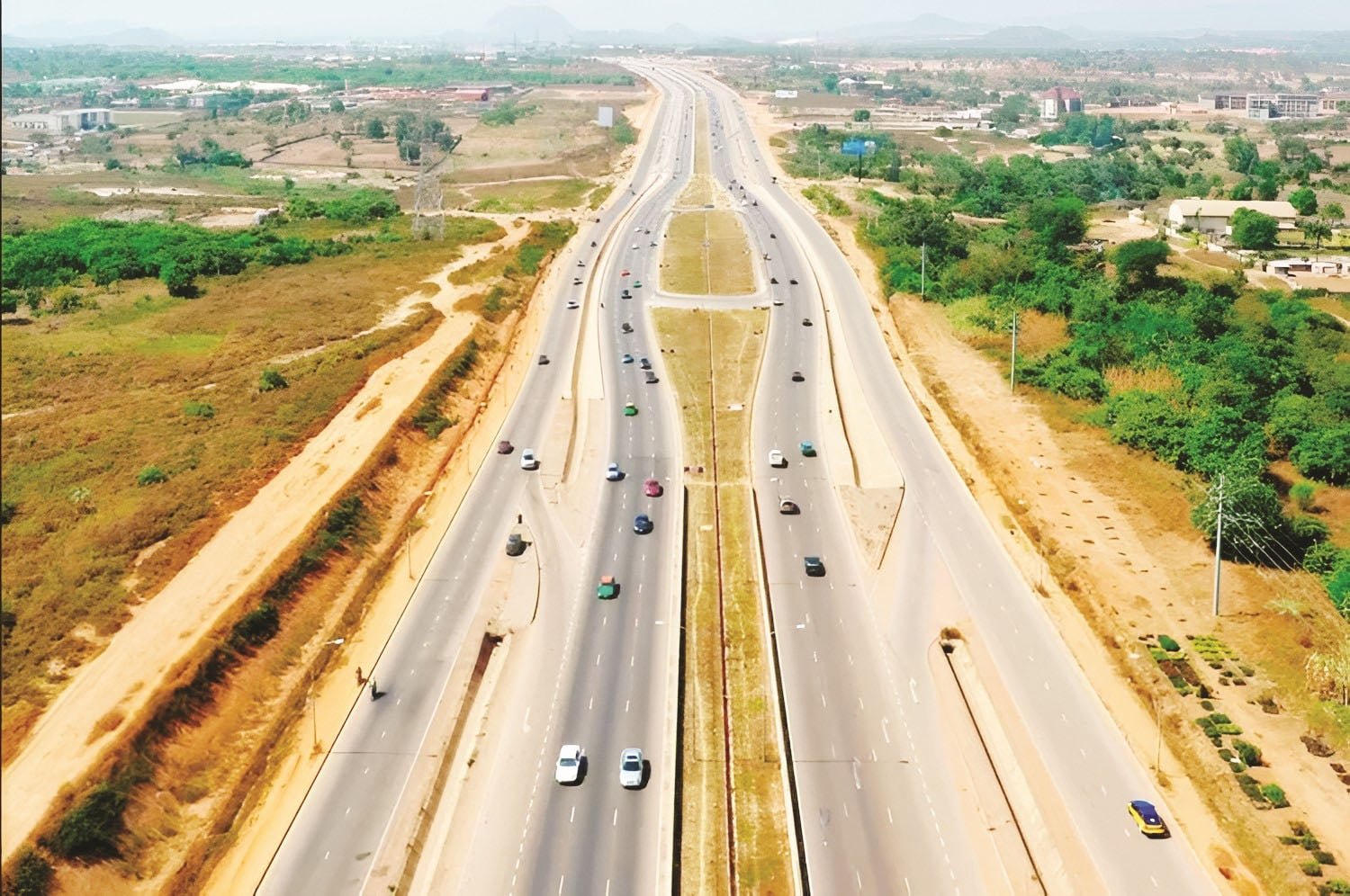
The Federal Government has opened the 47.47km Section One, part of the Phase 1f the Lagos–Calabar Coastal Highway.
It described the development as a major breakthrough for Nigeria’s infrastructure drive.
The over 700-km highway begins at Ahmadu Bello Way in Victoria Island and will traverse Ogun, Ondo, Delta and Bayelsa states before ending in Cross River State.
Minister of Works, Senator Dave Umahi, performed the inauguration on behalf of President Bola Tinubu in Lagos, noting that the project represented the fulfillment of a 27-year national aspiration.
Umahi recalled that Tinubu had earlier opened a portion of the same section in May, describing the progress as a significant milestone for a project of long-term strategic value.
He highlighted features such as reinforced concrete pavement, CCTV coverage and other modern installations, stating that the corridor would enhance connectivity, boost trade and improve economic activity across multiple states.
The representative of Governor Babajide Sanwo-Olu, Oluwaseun Osiyemi, who is the Lagos Sate Commissioner for Transportation, said the highway would ease travel, reduce congestion and support key economic corridors, including the Lekki Free Trade Zone.
The Oniru of Iruland, Oba Omogbolahan Lawal, commended the Federal Government for the progress made, saying the temporary opening would ease movement during the festive period and reduce pressure on existing routes.
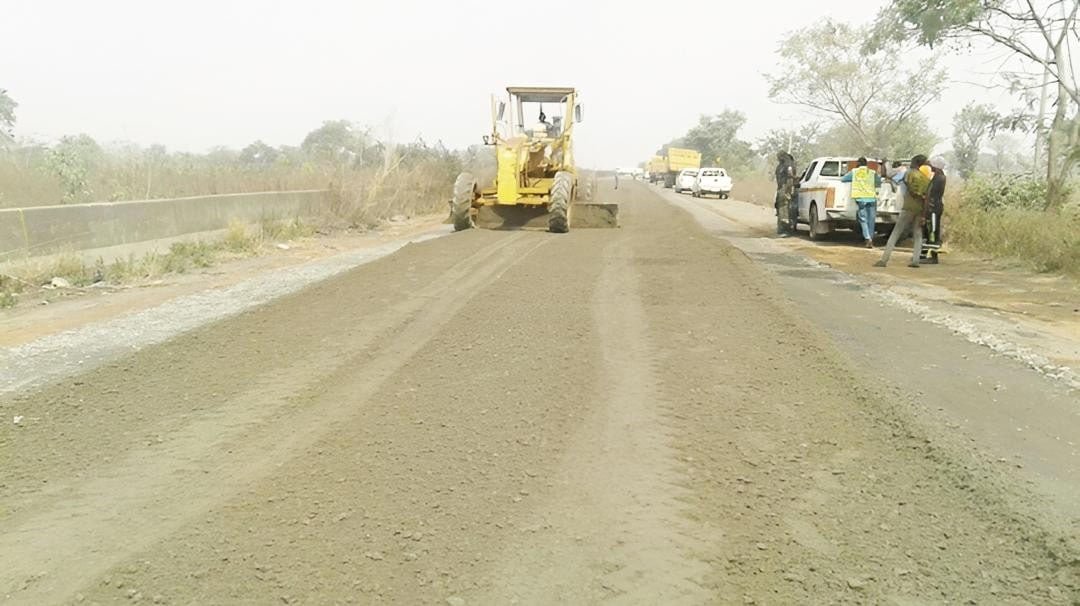
Project Focus: Akwanga-Jos-Bauchi-Gombe road 0dualisation
The project:
The dualisation represents a major federal infrastructure project linking Nasarawa, Plateau, Bauchi, and Gombe states.
Length:
The road spans 421 km along the A3 highway, traversing challenging terrains including sharp curves between Jos and Akwanga.
Estimated cost:
N348.5bn with recent 2024-2025 commitments for counterpart funding from state governments.
Facilities:
Expansion of the existing two-lane single carriageway to a dual carriageway with two lanes in each direction, including safety enhancements like curve realignments to reduce crashes and boost capacity.
Completion:
Originally projected to be completed in four years from 2018 approval date. Contracts pending award under recent federal directives. No new timeline confirmed.
Contractors:
Project in design, funding, and procurement phase, with mobilisation camps established historically. Multiple firms likely to execute project.
Q & A: Will transfers and deposits into my bank account be taxed as from January 1, 2026?
No. Moving money around (via POS, transfers, deposits, or withdrawals) is not taxable. What is taxed is income earned.
Taxable Line: The subjects of every state ought to contribute towards the support of the government, as nearly as possible, in proportion to their respective abilities – Adam Smith in his 1776 book, ‘The Wealth of Nations’
Powered by: AADPM: 08116759796, 07067204545