
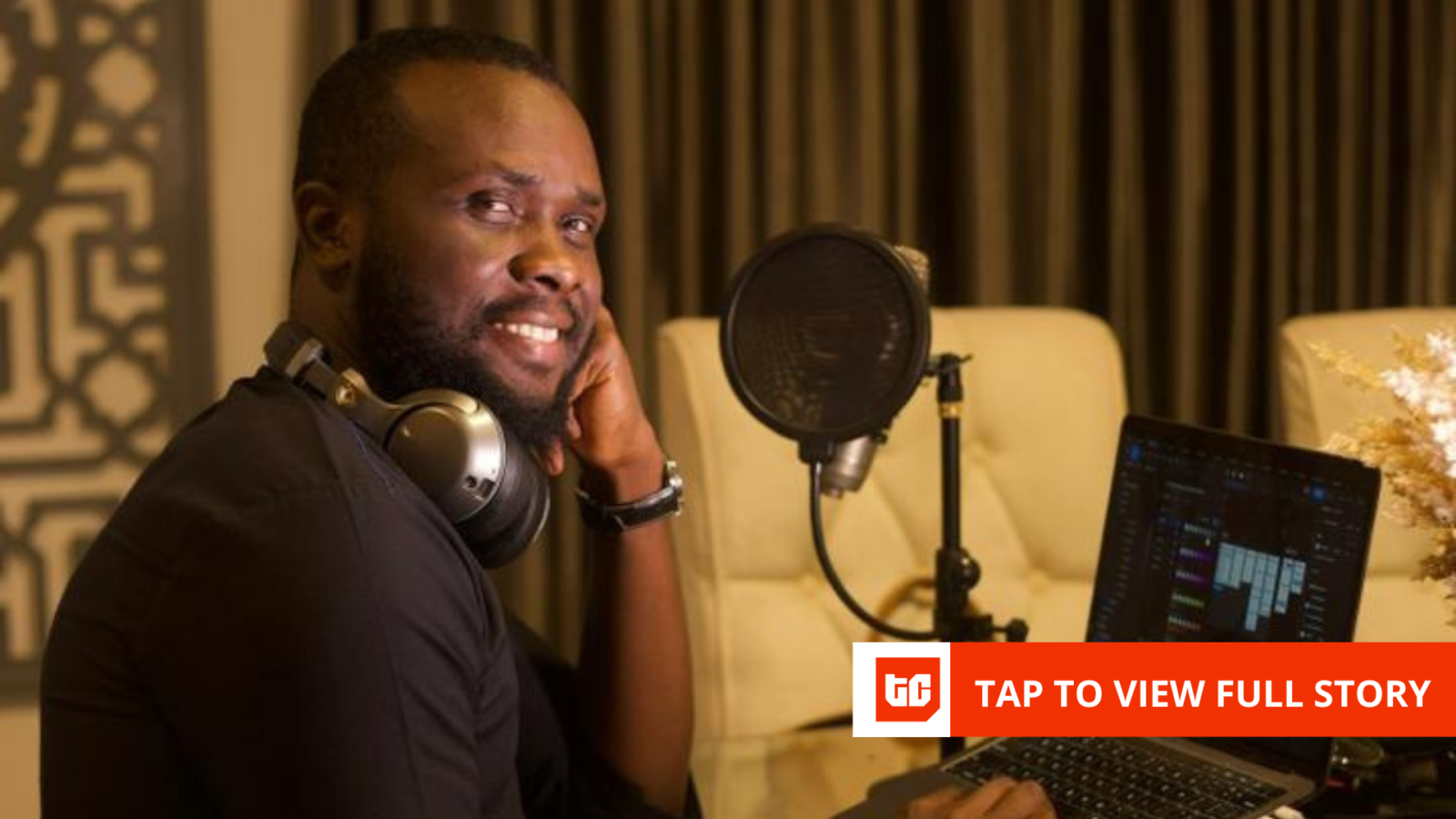
John Ohio is a Product Design Lead at SeamlessHR, an HR and fintech platform serving businesses across Africa. His work sits at the intersection of AI integration, high-risk digital infrastructure, and scalable design systems. He has contributed to large-scale product transformations, including the redesign of recruitment and workforce systems, AI-enabled initiatives, and enterprise UX governance across multi-product ecosystems. His focus is on building resilient digital platforms where usability, compliance, and business logic must coexist.
Beyond his work at SeamlessHR, John has contributed to fintech infrastructure projects spanning mobile money systems, agency banking platforms, and multi-country product rollouts. He has collaborated closely with engineering and executive teams to modernise legacy systems and improve reliability at scale. He also engages in community-driven design initiatives, speaking and mentoring within the African tech ecosystem, and writing about systems thinking and enterprise design maturity.
- Explain what you do to a 5-year-old.
I design how computer tools look and behave. I also make sure that if something goes wrong, the system can recover or clearly explain what happened. So it doesn’t just look nice, it works the way it should.
- In what ways do you use integrated AI systems for design? Give us an example.
I use AI in two ways. First, as a design partner, to explore edge cases, test complex decision paths, and stress-test workflows quickly. Second, as part of the product itself.
For example, in recruitment software, AI can assist with screening patterns or flagging anomalies. But the real design challenge isn’t the model, it’s how people interact with it. We design transparency, feedback loops, and override controls so AI supports human judgment instead of quietly replacing it.
- Why did you embrace AI for your design processes? What relevance did you notice, and how has it contributed to the products you ship at SeamlessHR?
Enterprise systems are no longer linear. They’re layered with permissions, compliance rules, and risk thresholds. AI helps surface patterns and compress iteration cycles. What became clear early is that AI doesn’t replace design thinking; it exposes weak design thinking. If your flows aren’t structured, AI amplifies the confusion. If your systems are coherent, AI accelerates them.
- When you’re integrating AI into enterprise software design, what’s the invisible risk most teams don’t see coming? How did you manage it?
Overconfidence—especially in the interface.If AI outputs are presented with absolute certainty, users either over-trust or disengage completely. In high-risk systems, that’s dangerous. We manage it by designing calibrated trust: clear explanations, visible boundaries, and deliberate human control. AI should assist decisions, not silently make them.
- If you had to remove one buzzword from product design forever, what would it be?
“Frictionless.”
In high-risk systems like fintech or HR, some friction is intentional. It protects users from costly mistakes. Removing all friction can increase risk. Good design isn’t about eliminating friction; it’s about placing it intelligently.
- As an AI-focused DesignOps professional, what’s one aspect of your work you’re interested in getting better at?
I’m interested in improving how teams operationalise AI responsibly—not just technically, but structurally. As AI becomes embedded in enterprise systems, we need better standards for transparency and long-term maintenance. That’s where DesignOps becomes really interesting.