
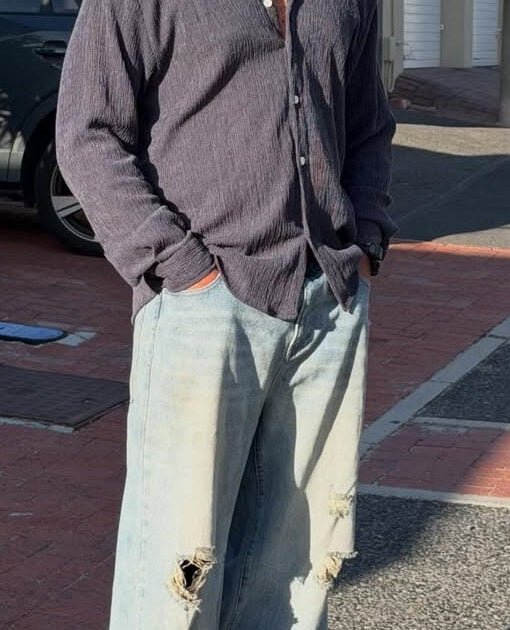
Music producer, Igbinoba Osaze, popularly known as Ozedikus Nwanne, speaks to OGHENOVO EGODO-MICHAEL about his career and lifestyle
When you begin a new project, what is the first thing you listen for in an artiste’s voice or energy?
When I work with an artiste, the first thing I look at is how versatile they are and how well they understand music. Their foundation in music is very important to me. I pay attention to their voice texture and how they work around melodies. For me, it is more about the music. If the person is not talented to the level I want, I would rather not work with them. I am very selective about who I work with. I also look at their vibe, their delivery, and if it is a new artiste, I like to see how hungry they are for success. They have to be very active and driven. Those are the things I usually look out for.
In an earlier interview, you mentioned that your interest in music started from playing gospel music. Why did you not pursue singing gospel music instead of producing?
The truth is, gospel music does not pay that well, especially when you are starting out. I was playing piano for a church, so I was getting paid for that. But when I got into production, I was working with friends who were doing secular music, and I quickly realised that gospel music does not pay well. Most of the time, it is like you are doing it for God. It’s just like charity work, especially when one is not yet known. I had to go where the money was.
If gospel music had been more lucrative, would you have considered staying in that space?
Yes, most likely. I was more connected to gospel music at the beginning, so I would have had more gospel artistes around me. I probably would have started there. However, most gospel artistes at the time were not recording in studios, and you need money to start those things. So I had to go where the money was first.
What were some of the toughest moments in your career before you started getting recognition?
It was very tough in the beginning. I wasn’t making much from production, and it was more like a hobby. My main income came from playing the piano with bands and in church. At one point, I played for a church for about eight months without being paid, yet I was still surviving. That made me realise that production had actually been sustaining me during that period. Around 2017, I fully transitioned into music production. Before things picked up, it was really hard and exhausting.
Have you had disagreements with artistes, especially in terms of creativity or business?
Yes, especially in the early stages of my career. I remember in 2017, I worked with an artiste and produced over 30 songs without getting paid or credited. When you’re starting out, you’re often not taken seriously because people prefer working with established names. It was chaotic because I was handling both the creative and business sides. Things only became more structured when I got a manager to handle the business aspect.
You once said you have already worked with many of the artistes you wanted to work with. Can you share some?
Most of the artistes I wanted to work with in Nigeria, I’ve worked with them. For example, I worked with Davido early in my career when a song I produced for a friend became popular and he jumped on the remix. As for Wizkid, we had been in contact for years and only recently worked together. There are still a few I haven’t worked with yet, but that will happen soon.
Which collaboration challenged you the most creatively?
I would say working with Rema. That was a turning point in my career. I had just joined Mavin and was still learning how the industry worked. I wasn’t very confident at the time, but the team believed in me. It was challenging because I was creating something for a larger audience without knowing how it would be received. But when it came out, it changed everything for me.
Did you feel pressure after your first major success?
Yes, absolutely. There is pressure to break into the industry, but it’s nothing compared to the pressure that comes after your first hit. Once you make a hit, people expect more from you. Anything below that feels like a step back. You constantly have to outdo yourself, and that’s the real challenge.
Can you walk us through your creative process in the studio?
There are different approaches. Sometimes, I create beats alone and send them to artistes. If they like them, they come to the studio and we build from there. Other times, we create from scratch together; starting with melodies and building the track step by step. Sometimes, we bring in instrumentalists and jam until we find something. Inspiration can also come from random moments, such as recording a voice note while walking. There’s no fixed process.
Has the global rise of afrobeats changed how you approach production?
Yes, it has. Now we have to think about a global audience, as we’re no longer making music just for Nigeria. But, you also have to be careful not to lose your core audience. It’s about finding a balance between global appeal and staying true to your sound.
Where does inspiration usually strike you?
Usually in quiet, isolated places, especially in the bathroom. That’s when your mind is free from distractions and ideas just come. I quickly record them on my phone before I forget.
Do you approach working with new artistes differently from established ones?
Yes. Established artistes already have a defined sound and direction, so you have to align with that. But with new artistes, it’s like a blank canvas; you can experiment and create something entirely new. That makes it more exciting for me.
Are there any projects you are currently working on?
I am working on my debut album, which will be released later this year. I also have two singles dropping this weekend.
What is a producer album like?
A producer album is a collection of sounds I’ve created, featuring artistes who fit those sounds. It’s my project, but with contributions from different artistes. They become like additional instruments on the record.
How has technology impacted your work?
Technology has made everything easier and faster. Back then, it was hard to access information. Now, with AI and digital tools, you can even generate instrumentals without live players. It has made music production much more convenient.
What mistakes do up-and-coming producers make?
Many focus too much on working with big artistes instead of building with new talent. Big artistes already have many producers sending them beats. It’s better to grow with up-and-coming artistes and build your names together.
Do you prefer staying behind the scenes or being in the spotlight?
I have always been a behind-the-scenes person, but I’m transitioning. I realised that if artistes don’t release songs, people may not even know I’m working. So I’m starting to put myself out there more.
Do you see yourself exploring other areas in the future?
Of course. I want to move into executive roles, like running a label or company. I am also interested in real estate and filmmaking.
When did you decide to pursue music full-time?
When I got paid a significant amount and realised it was sustainable. Before then, I was doing many things, including graphic design and phone repairs. But music production paid the most, so I focused on it.
What was your upbringing like?
I grew up with my grandparents at first. My mum was a teacher, and my dad was in the military. I later moved to Lagos to live with my parents. I come from a family of four children, and I’m the third.
If not music, what would you have done?
I wanted to study Computer Science because I love technology. I ended up studying Electrical Engineering, so I would likely have pursued something tech-related.
What do you do for fun?
I play games a lot. When I want to relax, I either play games, travel, or go to the beach.
What places have you enjoyed travelling to?
I enjoy travelling within Africa—places like Zambia, South Africa, Uganda, Rwanda, and Kenya. I love coastal destinations because of the beach and the breeze.
Are you comfortable in the water?
Not really. I had a near-drowning experience, so I don’t swim. I just enjoy being close to the beach.