
Katsina State on Wednesday recorded a new case of Lassa fever, bringing the total number of reported cases in the state to three, with two deaths.
A consultant in Infectious Diseases at the Federal Teaching Hospital, Katsina, Dr Mohammed Abubakar, confirmed this in an interview with our correspondent.
He said the hospital is currently treating a female patient whose husband recently died from the disease.
According to Abubakar, “She is stable and responding to treatment,” he disclosed while commending the hospital’s emergency response committee for promptly isolating the patient to prevent further spread and panic.
Dr Abubakar, who also raised concerns over a disturbing shift in the pattern and severity of the current Lassa fever outbreak in Nigeria, noted that the disease had been proven to be deadlier this year, with a sharp rise in fatalities among confirmed cases.
“Previously, the fatality rate ranged between 10 and 30 per cent, but this year, nearly one in four infected persons is dying,” he revealed.
He backed up his disclosure with data that indicated that from January to date, more than 1,000 suspected and confirmed cases have been recorded nationwide, resulting in about 145 deaths.
Dr Abubakar equally explained that while previous outbreaks were concentrated in the North-East, particularly Borno and Yobe states, and parts of the South-South, especially Edo State, more than 90 per cent of current cases are now concentrated in five frontline states: Benue, Ondo, Taraba, Edo, and Plateau.
“This shift may not be unconnected with climate change, insecurity, displacement of communities, poor hygiene, and increased movement of rodents into homes,” he said.
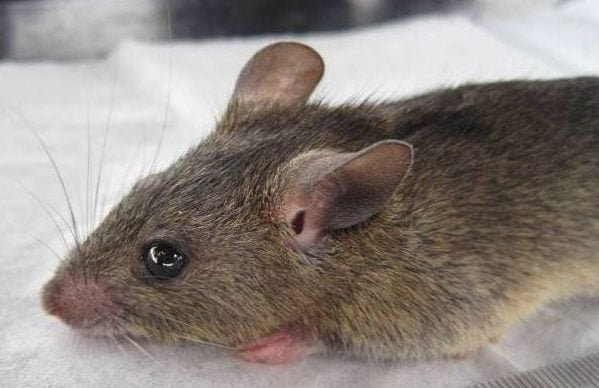
As a result, he urged health workers to treat every case of fever with caution and to ensure strict use of Personal Protective Equipment, even as he identified the multimammate rat as the major carrier of the virus, describing it as a small rat with multiple mammary glands, and urged residents to take preventive measures to stop rodents from entering homes.
He also warned parents against allowing children to hunt rats in bushes, noting that contact with urine or droppings of infected rodents remains a primary mode of transmission.
The Nigerian Medical Association chairman further called on the government to reduce delays in laboratory testing, stating, “PCR test results should be made available within one to two days to ensure patients receive immediate treatment.”
He commended the Katsina State Government for providing drugs, noting, “The Executive Secretary of the Primary Healthcare Agency, the Incident Manager, the State Epidemiologist, and the Commissioner have all been supportive in ensuring that drugs and other assistance reach us on time.”