
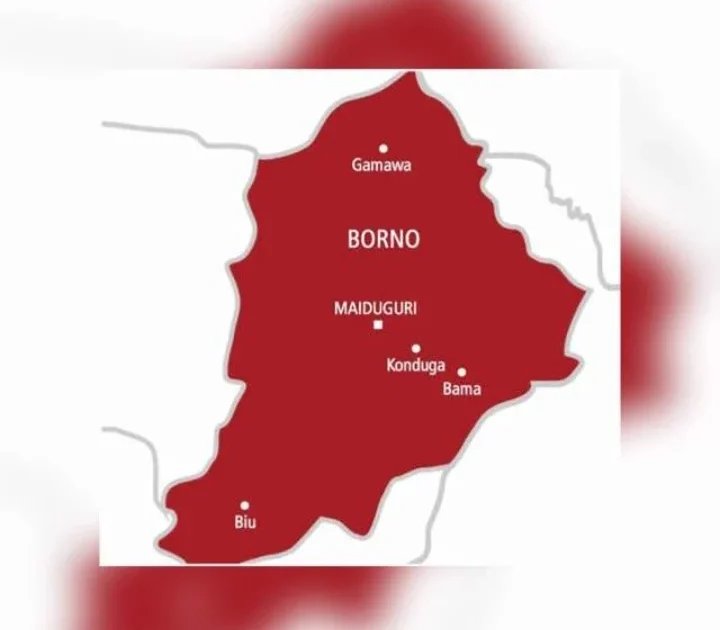
At least 37 people have died while more than 3,000 cases of cholera have been recorded across seven local government areas of Borno State in May, authorities have said.
The Executive Secretary of the Borno State Contributory Healthcare Management Agency, Dr Saleh Kaza, confirmed the figures in a statement on Saturday, describing the outbreak as a serious public health emergency requiring urgent preventive measures.
Kaza said the cases were recorded between May 1 and May 29, following the confirmation of the first infection earlier in the month.
He said, “Following the first incident report on the 1st of May and confirmation on the 4th of May, it is confirmed that we are facing a serious health crisis as a devastating cholera outbreak has struck Borno, with over 3,000 reported cases and 37 tragic deaths across 36 wards in 7 local government areas (LGAs) within May.”
He added that in the last 24 hours, over 100 cases were reported, and over the last 29 days of May, Maiduguri Metropolitan Council has the highest incidence, recording more than 2,000 cases, followed by Jere with over 1,000.
“Additional LGAs involved include Mafa, Konduga, Monguno, Ngala, and Magumeri, affecting over 138 communities in total.
“The current situation, with a concerning 1% case fatality rate, has overwhelmed our health infrastructure, and immediate collective action is essential to combat the spread of this illness,” he added.
He called for urgent improvement in water, sanitation and hygiene practices, warning that open defecation and poor waste disposal were worsening the spread of the disease.
“Please ensure proper waste disposal to prevent contamination. With the rainy season upon us, open waste from open defecation and refuse may be washed back into our living areas, thereby spreading the disease,” he said.
He advised residents to maintain proper hand hygiene, ensure safe food preparation, dispose waste properly and report symptoms such as vomiting and watery stools immediately to health facilities.
The official also said plans were underway to roll out cholera vaccination in the state, but stressed that vaccination was not a substitute for proper hygiene practices.
He commended the state Ministry of Health and development partners including the World Health Organisation, UNICEF, Médecins Sans Frontières and others for supporting response efforts.