
The Director-General of the Institute for Peace and Conflict Resolution, Dr Joseph Ochogwu, has said that state policing could help address farmer-herder conflicts and rural banditry by improving local intelligence gathering, strengthening community engagement and reducing response times to security threats.
Ochogwu, however, warned that decentralised policing must be professionally managed and subject to effective oversight to prevent political interference, human rights abuses and the persecution of minority groups.
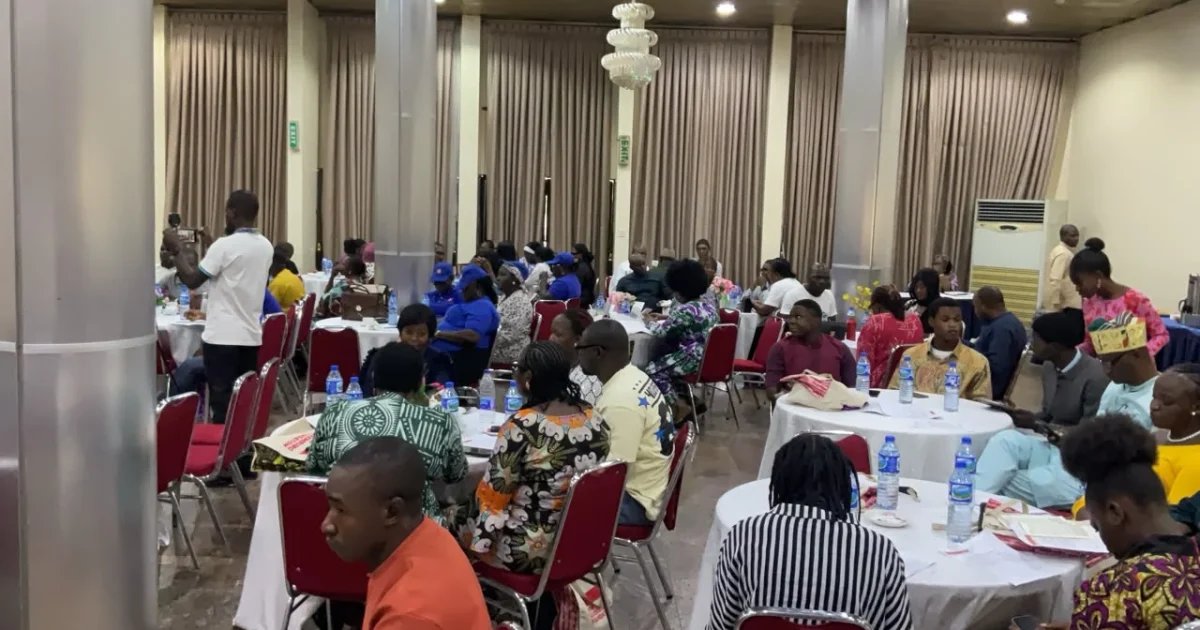
He spoke in Abuja on Thursday while delivering the keynote address at a conference on peace and conflict resolution in Nigeria, organised by the Rosa Luxemburg Foundation-West Africa.
The conference, themed “Peace and Conflict Resolution in Nigeria: Rethinking Strategies for Sustainable Peace,” featured panel sessions on farmer-herder conflicts in North-Central Nigeria and rural banditry, with discussions focusing on the challenges of ending recurring violence and building sustainable peace in affected communities.
The debate over state policing has gained momentum following progress on a proposed constitutional amendment to establish a dual policing system. On October 23, the Presidential Working Group on the National Policing Bill announced that 24 state Houses of Assembly had approved the amendment, meeting the constitutional threshold for it to proceed towards presidential assent.
The panel on farmer-herder conflicts examined persistent violence associated with disputes over land, access to water and grazing routes, livelihoods and community relations in North-Central Nigeria.
The region has experienced repeated attacks, communal clashes and displacement, particularly in Benue and Plateau states. The violence has disrupted farming, displaced families and heightened tensions between affected communities.
Discussions at the conference centred on the need to move beyond reactive security operations towards approaches that address the underlying causes of conflicts and create conditions for peaceful coexistence.
These include strengthening early-warning and response mechanisms, improving dialogue between affected communities, ensuring impartial law enforcement and resolving disputes over land and natural resources.
Ochogwu said Nigeria’s peace and security challenges were closely linked to governance failures, institutional weaknesses and the inability to resolve grievances through legitimate channels.
He noted that disputes over land, identity and political representation could escalate into wider communal confrontations when public institutions were perceived as unfair or unresponsive.
The IPCR director-general said security interventions needed to be accompanied by justice, accountability, humanitarian assistance and measures to restore livelihoods.
He cited the June 2025 attack on Yelewata community in Benue State, where more than 200 people were reportedly killed and over 3,000 residents displaced, as an example of the devastating consequences of rural insecurity.
### Banditry and the search for lasting peace
Another panel session focused on rural banditry and the search for sustainable peace, examining the threat posed by armed groups to rural communities, livelihoods, freedom of movement and economic activities.
Banditry and kidnapping have contributed to displacement across parts of North-Central and North-West Nigeria, forcing residents to abandon their homes and farms and undermining their ability to earn a living.
The discussions highlighted the importance of protecting civilians while addressing the conditions that allow armed criminal groups to operate.
Ochogwu argued that military and policing operations alone could not deliver lasting peace if communities continued to experience weak governance, economic exclusion and ineffective justice systems.
He said state policing could improve intelligence gathering and enable security personnel to respond more quickly to threats because of their familiarity with local communities.
However, he warned that the proposed system would require professional standards, adequate funding, legal accountability and civilian oversight to prevent abuse.
“Decentralisation must bring security closer to citizens without exposing them to local political coercion,” he said.
Ochogwu also identified unemployment, economic inequality, weak public services and the proliferation of small arms as factors that could aggravate insecurity when grievances were poorly managed.
He called for stronger grassroots institutions and more responsive governance, arguing that local authorities must be able to address community concerns before they escalate into violence.
In her welcome remarks, Angela Odah of the Rosa Luxemburg Foundation-West Africa said insecurity had turned ordinary activities, including road travel and visits to rural markets, into dangerous undertakings.
She said the foundation had organised dialogues and supported initiatives to promote democratic participation, peaceful coexistence and practical responses to political, economic and social challenges.
Odah said the conference was intended to review Nigeria’s security situation and develop recommendations for sustainable peace. She added that the foundation planned to sustain the dialogue annually over the next three years.
The event brought together academics, civil society activists, government representatives and peacebuilding practitioners, including activist Ene Obi and Professor Plangshak Suchi of the University of Jos, to discuss ways of addressing the causes of conflict and strengthening the prospects for lasting peace in Nigeria.