
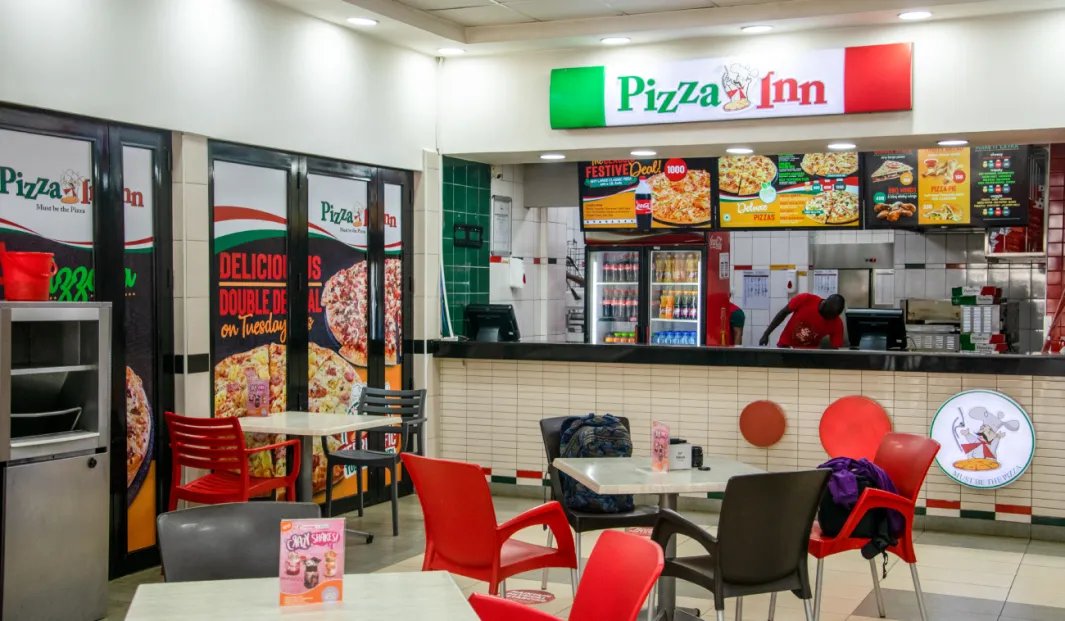
Simbisa Brands has bought out the minority shareholder in Kutuma Kenya, the delivery company for its fast-food chains, as home delivery accounts for more than a quarter of the group’s turnover in the country.
The Zimbabwean group, whose brands include Pizza Inn, Chicken Inn, Galito’s, Creamy Inn and Bakers’ Inn, recorded a net cash outflow of KES 85.8 million ($663,882) for the remaining 25% stake, according to its annual accounts. Simbisa owned all of Kutuma at the end of June, up from 75% in the previous year.
The buyout gives Simbisa full ownership of a business that is already using its delivery network to serve other merchants. Kutuma operates Dial a Delivery, which handles orders for Simbisa’s chains, as well as Yum, which lists restaurants and grocery stores in Nairobi, and Swyft, a delivery service for businesses. Kutuma wants to build a marketplace around those operations.
That plan puts the fast-food operator in competition with other delivery apps such as Glovo, Uber Eats and Bolt Food. However, Simbisa’s restaurants give Kutuma an existing source of orders. If it can pick up more orders from nearby restaurants and shops, it could keep riders busier and spread the cost of deliveries across more orders.
Home deliveries
Simbisa completed 3.23 million deliveries in Kenya in the year to June, up from 2.03 million the previous year. The net value of goods sold through delivery rose to 27.4% of Kenyan turnover from 21.7%. In Zimbabwe, where the group had 352 outlets to Kenya’s 257, the equivalent share was 5.1%.
“Delivery channels continued to gain momentum, with delivery orders increasing by 59% compared to the prior year, further extending our customer reach and providing convenience,” Simbisa said in its annual report.
Kutuma could offer independent restaurants and grocers another route to customers in a market that lost Jumia Food in December 2023. A 2024 Competition Authority of Kenya (CA) study found that about 85% of retailers surveyed had no exclusive agreement with delivery platforms, leaving many free to list on several apps.
Delivery orders grew more than four times as fast as overall customer volumes in Kenya. Simbisa said it leaned on pricing and promotions as competition intensified and household budgets came under pressure. Average spending fell 3% in dollar terms, but the rise in customer volumes lifted Kenyan revenue by 11%. Operating profit rose 16%.
Simbisa said it would continue investing in delivery and digital ordering where it expects sufficient returns. While the group’s Kenyan delivery figures show the volume its own restaurants can generate, the next test for Kutuma is whether orders from other restaurants can add enough business to make a bigger marketplace pay.