
Telkom, South Africa’s third-largest telecommunications company, reported stronger earnings with growing demand for mobile and fibre services, as MTN Group, Africa’s largest mobile operator, explores a potential acquisition.
The state-controlled telecommunications group reported a 2% revenue increase to R22.5 billion ($1.3 billion) for the six months ended September 30, 2026. Earnings before interest, tax, depreciation and amortisation (EBITDA) rose 5.8% to R6.4 billion ($377 million), while free cash flow increased by 37.8% to R998 million ($58.8 million).
Released on Tuesday, on the sidelines of the Africa Tech Festival in Cape Town, the results show a business improving profitability and extracting more value from its telecommunications infrastructure just as its ownership could be on the verge of a significant change.
Telkom confirmed on Monday that MTN had approached it with a proposal to acquire its issued share capital, bringing the operators together in one of South Africa’s biggest telecommunications transactions. Telkom said there is no certainty that a transaction will materialise.
A potential acquisition would combine two telecommunications businesses with complementary infrastructure, customer bases and enterprise capabilities. Telkom’s results show the financial position of the business MTN is seeking to acquire.
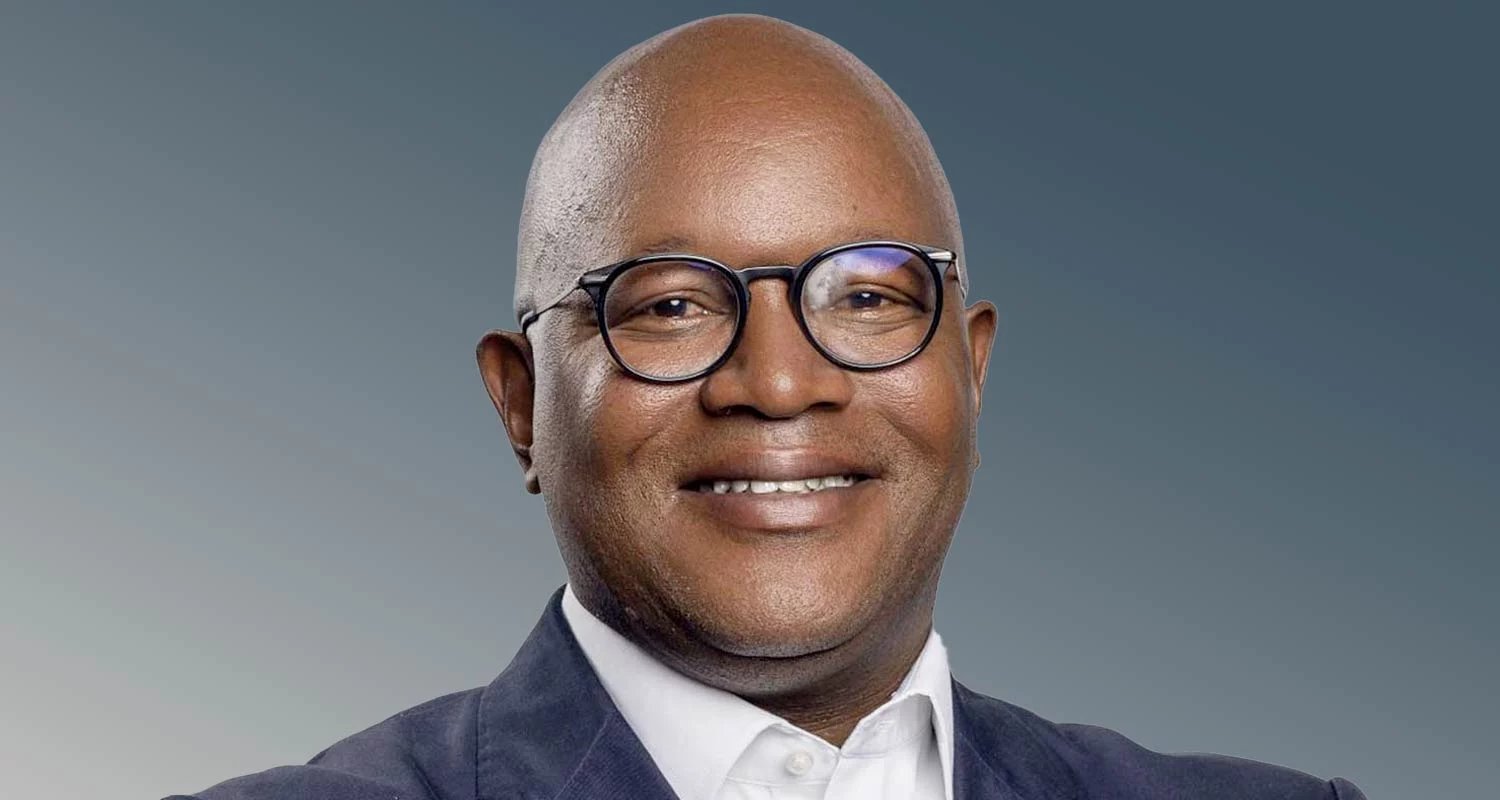
“These results demonstrate the benefits of the deliberate choices we have made to strengthen Telkom’s businesses. We are improving the quality of our earnings and generating greater value from our operations,” Telkom chief executive officer (CEO) Serame Taukobong said in a statement on Tuesday.
Data remains the strategy’s biggest driver. Group data revenue increased by 6.6% to R13.9 billion ($819 million), accounting for 61.8% of total revenue, compared with 59.1% a year earlier. That growth reflects the shift towards mobile connectivity and fibre broadband.
Telkom’s mobile business recorded revenue growth of 4.7% to R13.3 billion ($784 million), while mobile service revenue increased by 4% to R11.5 billion ($678 million). Prepaid data revenue grew 12%, and mobile data subscribers jumped 13.6% to 21 million.
Mobile EBITDA rose 17.1%, with its margin reaching 30.8%, supported by lower roaming costs and network efficiencies.
Its fibre business, Openserve, grew as it focused on converting existing infrastructure into paying customers. Revenue rose 4.2% to R6.6 billion ($389 million), while external revenue grew 11.9% and broadband revenue grew 10.1%.
Connected homes rose by 15.1% to 870,856, lifting Openserve’s fibre connectivity rate to 54.8%, from 52%. However, the recovery remains uneven, particularly at BCX, Telkom’s enterprise technology services provider.
BCX revenue declined by 8.2% to R5.4 billion ($318 million), reflecting weakness in converged communications and lower information technology (IT) hardware and software revenue. Cloud revenue jumped 16.2% and cybersecurity revenue by 8.7%.
Wider recovery
Telkom is repositioning BCX around a core portfolio that management estimates represents 70% of its revenue. The business is pursuing cost controls and improved commercial execution to restore profitability.
Taukobong acknowledged the uneven performance, saying in the interim statement that “traditional voice revenues continue to decline, Mobile service revenue growth has moderated, and BCX continues to strengthen the foundations of its enterprise technology business.”
The group is generating more cash while spending less on capital investment. Capital expenditure fell by 22.5% to R2.2 billion ($130 million), reflecting selective fibre investment and the modernisation and optimisation of its mobile network. Free cash flow increased from R724 million ($42.7 million) to R998 million ($58.8 million).
Telkom expects investment to increase in the second half, focusing on network modernisation, customer experience and opportunities supported by identifiable demand.
The improved performance gives Telkom a stronger financial footing as it enters a pivotal period. Its net debt-to-EBITDA ratio stood at 0.6 times, within its medium-term guidance range, while profit for the period increased by 10.8% to R1.8 billion ($106 million).
“The next phase of Telkom’s transformation is not simply about proving that our business can withstand a changing market. It is about demonstrating that we can consistently convert our customer relationships, infrastructure and capabilities into sustainable earnings, cash generation and long-term value,” Taukobong said.