
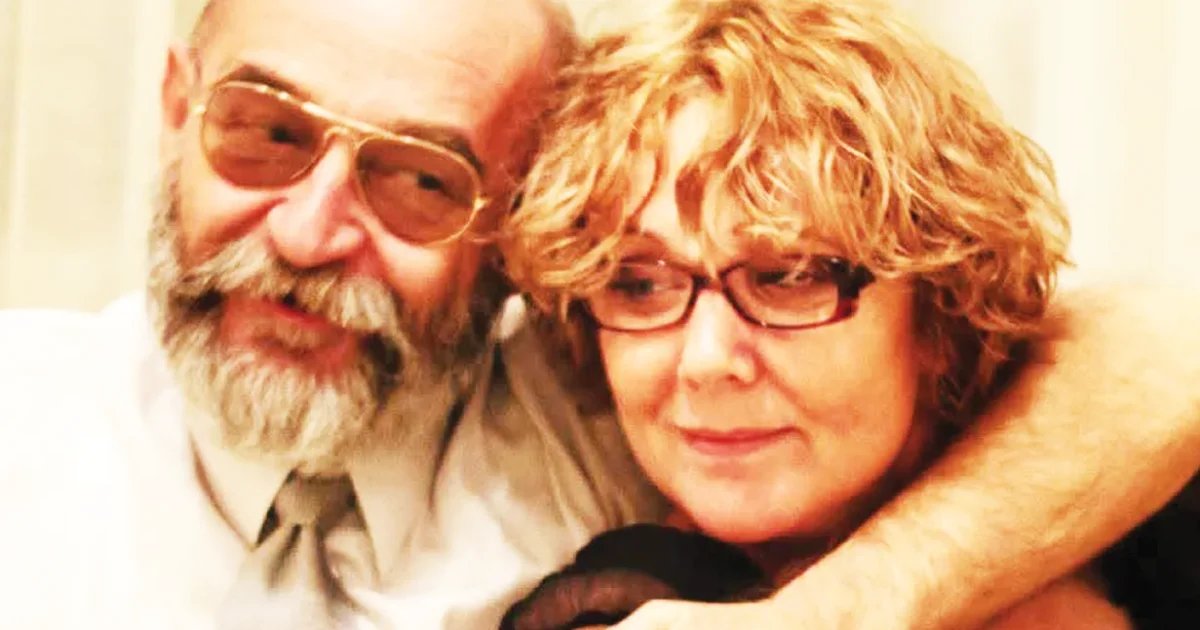
The founder of the iconic Kajuru Castle in Kajuru Local Government Area of Kaduna State, Bela Becker, has been buried in his Hungarian hometown of Budapest, bringing to an end a remarkable 30-year journey of business, industrial and humanitarian contributions to Nigeria, particularly the northern region.
Becker, who died on November 3, 2026, after travelling to Hungary for medical treatment, was laid to rest on Friday, November 20, at a ceremony attended by family members, friends, business associates and dignitaries, including Plateau State Governor, Caleb Mutfwang.
His death marked the end of an era for a man whose investments and professional engagements spanned electricity, agriculture, oil and gas, infrastructure, tourism and humanitarian development across northern Nigeria.
In a message announcing his death, his wife, Irene Becker, described him as a man whose integrity, commitment to duty and humanity earned him respect among colleagues, associates and communities.
“There are people who stand out not only through their work, but also through their character, humanity and integrity, leaving a lasting mark.
“Béla was such a person,” she said.
Irene, an internationally renowned photographer and former Honorary Consul of Hungary in Nigeria, said her husband spent three decades managing ITCC Technical and its associated companies, GAZIMPEX and DKG-ITCC, in Kaduna.
She described him as a dependable, hardworking and honest partner who remained committed to the development of their businesses and the strengthening of relations between Nigeria and Hungary.
“Béla was a straightforward, decent, hardworking and honest man. He was someone we could count on even in the most difficult circumstances,” she said.
Arewa reports that beyond his association with Kajuru Castle in Kajuru LGA, Becker was involved in several electricity, agricultural and infrastructure projects in northern Nigeria.
One of his major engagements was the Kaduna State rural electrification programme between 2001 and 2010, which covered about 3,000 kilometres of electricity lines and transformer substations.
His companies also participated in the Federal Government’s silo programme, including the construction of agricultural storage facilities with a combined capacity of 25,000 tonnes in Dutsin-Ma, Katsina State, and Rigasa, Kaduna, between 2012 and 2015.
He was equally involved in the Zamfara State silo programme, which reportedly produced 14 silo complexes between 2007 and 2013.
The projects were aimed at strengthening agricultural storage, improving food security and reducing post-harvest losses.
In the oil and gas sector, his companies undertook specialised maintenance operations at the Kaduna and Port Harcourt refineries, including turnaround maintenance at the Kaduna Refinery and repairs to a heat exchanger at the Port Harcourt facility.
Becker also invested in agricultural processing in Kaduna State, establishing a ginger processing factory in Kachia and developing a large silo facility in Kujama as part of plans for a flour mill.
However, his name became particularly associated with Kajuru Castle, a distinctive tourist destination in Kajuru Local Government Area of Kaduna State.
Built in the 1980s, the medieval European-inspired structure, with its imposing stone walls and towers, has become one of Nigeria’s recognisable tourism landmarks, attracting visitors interested in architecture, hospitality and leisure.
His involvement in the project further strengthened his connection with Kajuru and Kaduna State, where he spent much of his professional and personal life.
Irene said Becker also played a significant supporting role in sustaining commercial, educational and diplomatic relations between Nigeria and Hungary.
Following the closure of the Hungarian Embassy in Abuja in 2010, she said her husband supported her responsibilities as Honorary Consul between 2010 and 2014.
According to her, bilateral trade between the two countries reached $130m within three years, while the number of Nigerian students studying in Hungary increased to 1,200 during the period.
She attributed part of the progress to his business connections, knowledge of Nigeria and commitment to strengthening bilateral relations.
Becker’s contributions extended to humanitarian activities, particularly in communities affected by insecurity.
Irene recalled that he supported the rebuilding of a Catholic church and seminary in Mubi, Adamawa State, after they were destroyed by Boko Haram insurgents.
She said the project was undertaken with Hungarian assistance, including support from the Hungary Helps programme, and contributions from the family.
“As devout Christians, and despite all the dangers, we undertook together the rebuilding of a Christian church and its associated facilities in Mubi, in the Diocese of Maiduguri, after their destruction by Boko Haram terrorists,” she said.
Other interventions included supporting the supply of two surveillance aircraft to the Nigerian College of Aviation Technology, Zaria, refurbishing tractors belonging to Kajuru Technical College and constructing a secondary school in Chikun Local Government Area of Kaduna State.
Until his death, Becker remained involved in efforts to strengthen Nigeria’s technical and aviation capacity.
His business associate disclosed that they had been working on establishing a Maintenance, Repair and Overhaul facility for the African Aviation and Aerospace University in Abuja.
However, his death prevented the proposed project from being realised.
In her emotional farewell message, Irene described his death as an irreplaceable loss, thanking him for his 30 years of loyalty, perseverance and service.
“My dear Béla, it is very hard to say goodbye to you now. Thank you for your thirty years of work, your loyalty, your perseverance and all that you have done for our company, for Hungarian-Nigerian relations and, beyond that, for the Christian Church in Nigeria,” she wrote.
Although buried in Budapest, his contributions to tourism, electricity, agriculture, industrial development and humanitarian activities have left an enduring footprint in Kajuru Local Government Area, Kaduna State and other parts of northern Nigeria.