
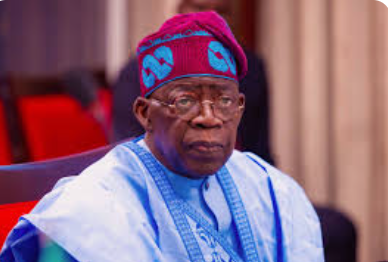
For over a year, Nigeria has operated without ambassadors in more than a hundred diplomatic missions, sparking concerns about its global standing, reports GIFT HABIB
Nigeria, the most populous country in Africa and one of the largest economies on the continent, has been without ambassadors in 109 diplomatic missions worldwide for over 13 months.
This extended period without formal representation at top diplomatic levels has put Nigeria at a disadvantage in its interactions with international partners.
After President Bola Tinubu’s inauguration, a significant number of ambassadors were recalled in September 2023, but their replacements have not been appointed yet.
Minister of Foreign Affairs, Amb. Yusuf Tuggar, stated that the envoys served at the president’s discretion and were recalled to realign the country’s foreign engagements.
Despite the intended shift in diplomatic strategy, the delay in appointing new ambassadors has left Nigeria’s missions without leaders, weakening its global presence.
The absence of ambassadors hinders Nigeria’s ability to engage fully with other nations, participate in vital trade and security talks, and represent its interests effectively.
While some progress has been made through the appointment of consuls-general and chargés d’affaires in a few countries, these appointments do not fill the void left by the ambassadors.
The lack of full ambassadors not only affects Nigeria’s global influence but also its capacity to secure investments and shape policies crucial for the African continent and beyond.
The delay in appointing new ambassadors has been attributed to funding constraints, highlighting the intersection of diplomacy and economics in Nigeria’s global engagement.
The absence of a clear timeline for resolving budgetary issues further complicates the situation, potentially affecting Nigeria’s relationships with international partners.
The prolonged absence of ambassadors may lead to negative perceptions of Nigeria’s stability and interest in global affairs, impacting its reputation and relationships with investors and partners.
Calls for immediate reforms within Nigeria’s diplomatic system have been made to address these challenges and ensure effective representation abroad.
The need for resident ambassadors to engage with host governments at the highest levels has been emphasized, along with suggestions for better funding mechanisms and streamlined deployment processes.
Ambassadors are essential not only for diplomatic but also economic matters, playing a crucial role in trade negotiations and protecting the interests of Nigerian businesses abroad.
As Nigeria’s absence from the global diplomatic scene continues, there is a growing risk of diminishing its influence, impeding its policy impact, and deterring foreign investment.
Restoring Nigeria’s diplomatic presence by appointing new ambassadors promptly is imperative to safeguard its interests and enhance its participation in global affairs.
It is crucial for the Federal Government to act decisively to reinstate its ambassadors and strengthen its position in international diplomacy as time is of the essence.