
In a recent development, the Kenyan High Court has delayed the hearing regarding a legal challenge brought forth by the Kenyan Human Rights Commission (KHRC) and the Law Society of Kenya (LSK) against the concession of Jomo Kenyatta International Airport to the Adani Group. The LSK and KHRC are contesting that the concession agreement is not in compliance with Kenyan laws, particularly the Public-Private Partnerships Act of 2021, and are requesting the cancellation of the deal.
The 30-year concession deal, which was disclosed to the public by a whistleblower in July, involves the construction of a new terminal and taxiways at JKIA. Concerns have been raised by many Kenyans due to the lack of transparency surrounding the agreement, with the government refusing to divulge specific details.
Amidst growing public discontent, protesters participating in a virtual hearing voiced their opposition by chanting ‘Adani must go.’ Justice Bahati Mwamuye cited the excessive background noise on the virtual platform as the reason for adjourning the case to a later date.
The court had previously halted the project pending the resolution of the case, following concerns raised about the lack of transparency in Adani Group’s investment proposals, including the construction of transmission lines under a build-and-operate program.
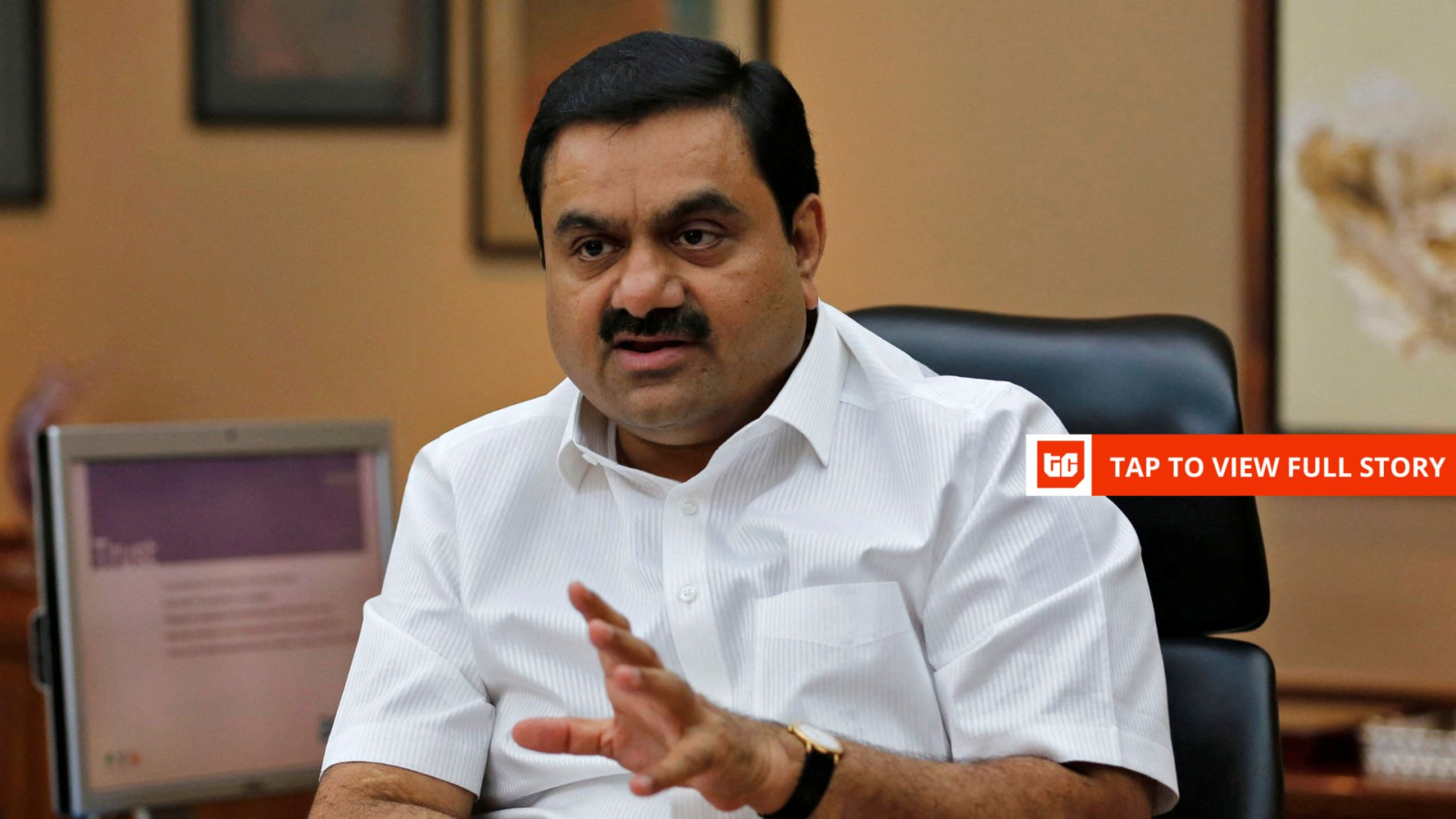
The Adani Group, owned by Gautam Ambani, India’s second-richest individual, secured a $736 million contract for the construction and operation of four transmission lines and two substations over a 30-year period.
Despite criticisms, President Ruto’s administration has defended the projects, asserting that public-private partnerships (PPPs) are essential for addressing the country’s infrastructure needs amidst constrained government spending.
During the court proceedings, KHRC and LSK argued that Kenya has the capacity to raise the $1.85 billion required for JKIA’s expansion domestically. They further contended that the Adani proposal is financially unsustainable, poses risks of job losses, exposes the public to fiscal liabilities, and does not offer value for taxpayers’ money.