
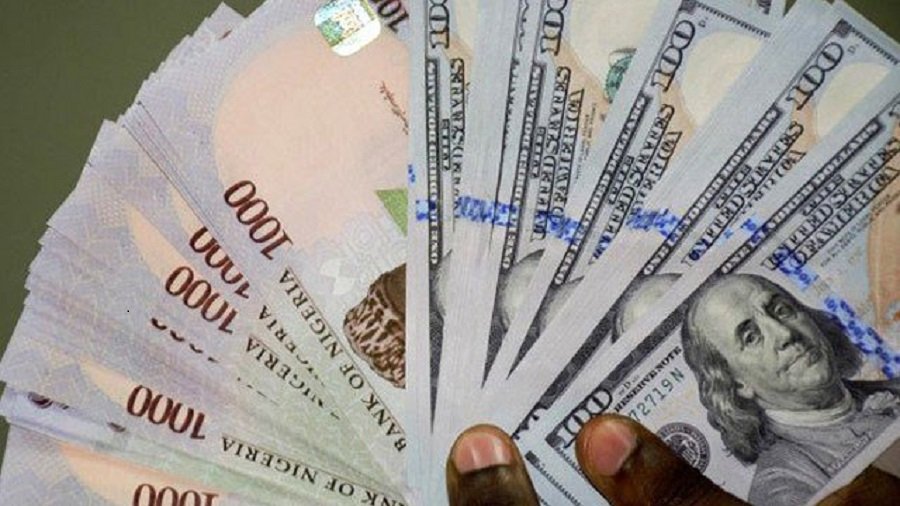
Amid concerns about the stability of the naira and projections of depreciation, the recently released Medium Term Expenditure Framework by the Federal Government pegged the local currency at N1400 to a dollar. This assumption has been met with skepticism by economists and financial analysts who find it unrealistic. The proposed budget of N47.9tn for 2025 has been deemed ambitious and likened to other lofty economic goals set in the past.
The naira’s value has been under pressure, especially with recent political and economic developments globally. The currency has experienced significant depreciation over time, facing challenges such as the harmonization of the FX market and the removal of fuel subsidies. Despite efforts by the Central Bank of Nigeria to stabilize the naira, it has continued to weaken against the dollar.
Various reports and forecasts paint a mixed picture of the naira’s future performance. While some predict further depreciation, others suggest potential strengthening in the coming months. The currency’s performance is closely tied to factors such as oil production, government revenue, debt sustainability, and external market conditions. Projections and assessments by different agencies and experts vary, reflecting the complexity of the economic landscape.
The 2025 budget proposal and assumptions have raised concerns among industry experts, with many pointing out the challenges of achieving the set targets given the current economic realities. The exchange rate projection of N1400 to a dollar and other assumptions have been criticized as overly optimistic and disconnected from the prevailing economic conditions. Calls have been made for a reassessment of these assumptions to align them with the actual market dynamics.
As discussions continue regarding the budget and economic outlook, adjustments to the proposed assumptions are expected, considering the need to address the current challenges facing the Nigerian economy. The uncertainties surrounding the naira’s stability and the broader economic landscape underscore the importance of realistic projections and effective policy measures to navigate the evolving financial terrain.