
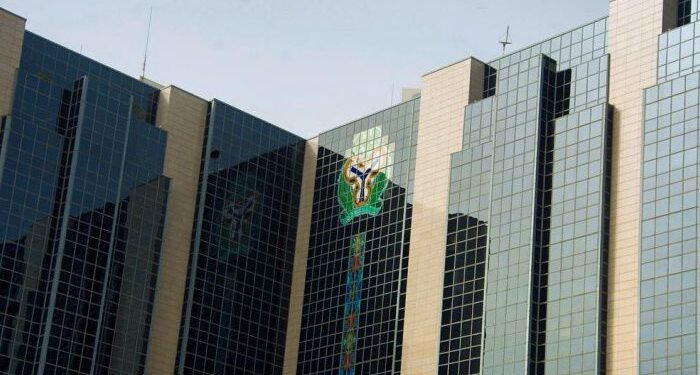
Economic experts have cautioned that in order to prevent a surge in inflation, the monetary and fiscal authorities in Nigeria should work together closely. This warning comes after the Central Bank of Nigeria’s Monetary Policy Committee decided to maintain the benchmark interest rate at 27.50 percent during their 299th meeting.
The decision to hold the rate follows six consecutive increases in 2024, as the central bank grapples with inflationary pressures, exchange rate fluctuations, and concerns about economic growth. The committee acknowledged positive developments in the foreign exchange market, improvements in external reserves, and a gradual decrease in fuel prices as factors influencing their decision.
While inflation remains a worry, especially after the recent revision of the Consumer Price Index, the committee expressed optimism that inflationary pressures, particularly driven by food prices, will ease as food security measures improve. They emphasized the importance of ongoing collaboration between monetary and fiscal authorities to maintain recent macroeconomic progress.
The committee also highlighted positive trends in oil production and Nigeria’s GDP growth, driven by the non-oil sector. Despite existing macroeconomic challenges, the banking sector was described as robust and resilient, with a need for enhanced surveillance to ensure financial stability.
Geopolitical risks, such as the Russia-Ukraine conflict and trade tensions, were identified as potential influences on Nigeria’s economic stability. The committee reaffirmed its commitment to monitoring both domestic and global economic developments, with the next policy meeting scheduled for May 19 and 20, 2025.
In response to the inflation rate standing at 24.48 percent in January 2025, there were calls from experts to pause further rate hikes and prioritize fiscal policy interventions to address inflationary pressures.
Various economic analysts and business groups suggested relaxing some of the tightening measures due to high interest rates to avoid stifling economic growth. With inflation at 24.48 percent, experts believe that the decision to hold the interest rate signals a shift in policy, reducing the likelihood of immediate rate hikes.
Emphasizing the need for coordination between monetary and fiscal policies, experts urged for policies that complement each other to ensure economic stability. Excessive monetary stimulus was cautioned against, as it could lead to forex exchange and inflationary pressures. Collaboration between monetary and fiscal policymakers was stressed as crucial for balanced economic management.