
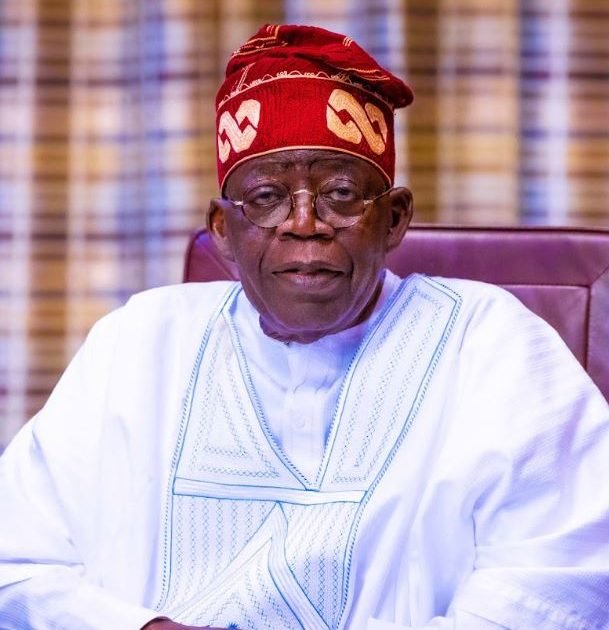
The Federal Government is pushing forward with significant tax reforms to achieve an 18% tax to Gross Domestic Product (GDP) ratio by 2026. President Bola Tinubu established the Presidential Fiscal Policy and Tax Reforms committee in August 2023, led by Taiwo Oyedele, with the aim of reaching this target within the next 12 months. Tinubu emphasized the need to boost Nigeria’s tax-to-GDP ratio, which currently lags below Africa’s average. The committee’s main tasks include streamlining taxes, enhancing revenue generation, overhauling the tax system, and achieving a minimum of 18% tax-to-GDP ratio.
As of 2023, Nigeria’s tax-to-GDP ratio stands at 10%, one of the lowest in sub-Saharan Africa. The committee aims to raise this ratio to 18% within the next two to three years without introducing new taxes. The Federal Inland Revenue Service (FIRS) is optimistic about meeting the ambitious target of an 18% tax-to-GDP ratio by 2026 through technological integration, process improvements, and capacity-building initiatives.
To achieve this goal, Nigeria needs to generate approximately N44.34tn in tax revenue, considering the current nominal GDP of N246.35tn. The FIRS exceeded its revenue targets in previous years, showcasing a consistent growth trend. The Senate’s Finance Committee has urged the FIRS to aim for a tax revenue target of N30tn in 2024, emphasizing the need to review existing tax waiver policies that have led to significant revenue losses.
However, some state governors in the northern region have expressed reservations about the proposed tax reforms initiated by President Bola Tinubu. These governors believe that further consultations are necessary before passing the bill. The northern governors are coordinating their stance on the Value Added Tax (VAT) reform bill, with each state aligning with the collective decision made by the Northern Governors’ Forum.
The Gombe State Government has called for calm regarding the VAT reform bill, reassuring that the process is routine and subject to further deliberation and debate in the National Assembly. As discussions unfold, state governors will collaborate to ensure that the interests of their respective regions are safeguarded. The collective decision-making process aims to address concerns and reach a mutually beneficial resolution between the federal government and the states.