
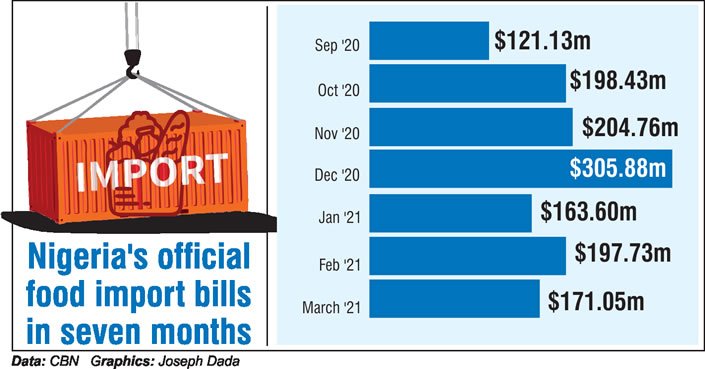
The naira faced a new wave of depreciation due to increased demand for foreign exchange for various purposes like foreign travel, school fees, and a planned food import duty waiver. This led to a decline in the value of the naira against the dollar across different market segments. Bureau De Change operators in Lagos reported a weakening of the naira from N1,635 to N1,640 within a short period.
The official Nigerian Autonomous Foreign Exchange Market showed a slight improvement in the value of the naira against the dollar, but the unofficial market experienced fluctuations. Despite efforts to stabilize the exchange rate, challenges persisted due to high demand for foreign currency and limited supply.
Various factors contributed to the pressure on the naira, including seasonal demands for foreign exchange, limited sources of foreign exchange for the country, and the impact of policies such as the food import duty waiver. The need for increased liquidity in the market was emphasized to address the challenges faced by the currency.
Recent interventions by the Central Bank of Nigeria to provide more liquidity in the market aimed to ease the pressure on the naira. However, stakeholders highlighted the importance of addressing underlying issues such as inflation, demand from different sectors, and the need for more sustainable sources of foreign exchange to ensure stability in the currency market.