
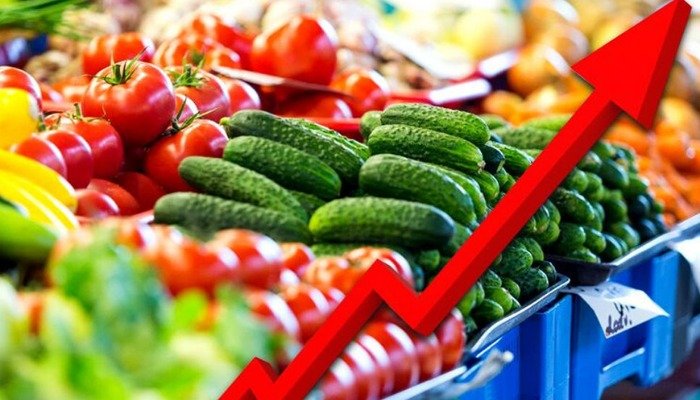
Despite obtaining significant loans and investments to enhance food production, the prices of essential staple foods have surged by over 60% during President Bola Tinubu’s tenure. This increase has placed a strain on many households, making it challenging for them to afford basic food items.
The rise in food prices comes at a time when the government is striving to improve food security and agricultural development. This discrepancy raises concerns about the effectiveness of current economic policies in addressing inflation and translating financial support into tangible relief for Nigerians.
Upon assuming office, President Tinubu pledged to prioritize food availability and security by embarking on large-scale agricultural projects. Despite these efforts, factors such as increased transportation costs, fuel subsidy removal, currency devaluation, and security challenges have contributed to the continuous spike in food prices.
Data from the National Bureau of Statistics reveals a steady increase in food inflation from the time Tinubu took office, highlighting the persistent financial strain on consumers. Despite securing loans and investments totaling billions of dollars, the market has yet to stabilize, prompting concerns about the loans’ impact on reducing food prices.
Experts have expressed doubts about the effectiveness of the borrowed funds in lowering food prices. They suggest that instead of subsidizing farmers, increasing food supply could help stabilize prices. However, they caution that the agricultural sector may experience a time lag before the investments yield visible results.
Challenges such as rising fuel prices and logistical issues in the supply chain also pose obstacles to the successful implementation of agricultural interventions. Experts emphasize the importance of transparency in selecting beneficiaries and advocate for government actions like fuel price subsidies to alleviate these challenges.
Addressing these structural and logistical issues is crucial to ensuring that agricultural loans have a meaningful impact on food prices and contribute to enhancing food security in the country.