
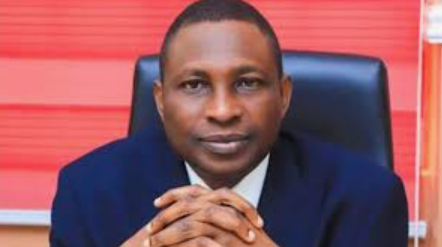
The Chairman of the Economic and Financial Crimes Commission (EFCC) has expressed concerns about organized foreign fraud syndicates establishing criminal cells in Nigerian cities and recruiting young Nigerians for cybercrimes, including cryptocurrency fraud. The EFCC Chairman mentioned this during a meeting with participants from the National Institute for Security Studies.
According to the EFCC Chairman, intelligence suggests that these foreign fraudsters are using cryptocurrency to illegally import arms into Nigeria. Recent operations in Lagos led to the arrest of 194 foreigners engaged in various illicit activities, with many of them relying on cryptocurrency for financial transactions.
The EFCC Chairman also highlighted the presence of ex-convicts among the arrested foreigners who had fled prosecution in their home countries. He raised questions about the sustainability of bandit and insurgent activities due to the uncontrolled flow of weapons across Nigerian borders.
Emphasizing the need for coordinated efforts to combat these challenges, the EFCC Chairman stressed the connection between money laundering and national security threats. He called for unity among security, intelligence, and law enforcement agencies in Nigeria and across Africa to address the activities of foreign fraud syndicates and internet criminals.
Additionally, he expressed concerns about the role of non-state actors in exacerbating security threats, such as insurgency, banditry, and farmer-herder clashes in Nigeria. The EFCC has been monitoring the activities of these non-state actors and has taken steps to regulate their financial transactions in regions facing security challenges.
The NISS Commandant commended the EFCC’s efforts in combating corruption, money laundering, and financial crimes, acknowledging the agency’s role in uncovering networks that fund hostile non-state actors. Collaboration between security agencies and regulatory bodies is essential to address the complex issues posed by foreign fraud syndicates and criminal activities in Nigeria and Africa.