
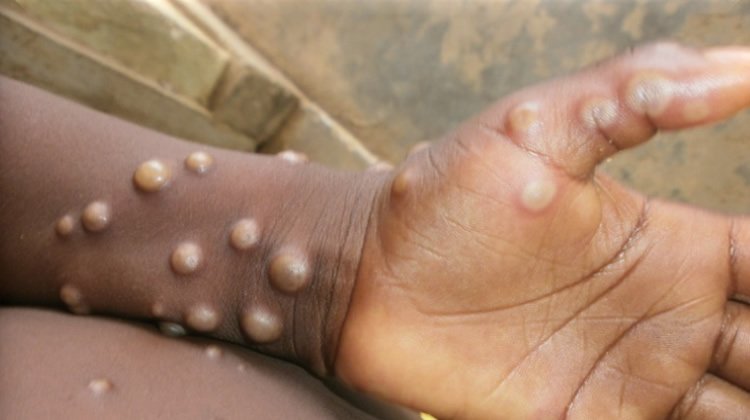
In Africa, the ongoing Mpox outbreak is causing concern, prompting the AIDS Healthcare Foundation Nigeria to call for immediate global action to address vaccine inequality. The foundation stressed the importance of fair access to vaccines and treatments for developing nations to effectively combat the outbreak. Concerns were raised about the inequalities observed in the response to Mpox, reminiscent of challenges faced during the COVID-19 pandemic.
The severe Mpox outbreak in Africa, driven by the new clade Ib variant, has had a significant impact, particularly affecting children across 13 African countries. With over 22,800 confirmed cases and more than 620 deaths reported this year, the situation is critical. The Democratic Republic of the Congo has been hit hardest, representing the majority of cases and deaths.
AHF Nigeria emphasized the need for equitable vaccine distribution, urging Western countries and Japan to donate Mpox vaccines to Africa. They also called for expedited approval of alternative vaccine options by the World Health Organization. The foundation highlighted the importance of reviewing the WHO Pandemic Agreement to ensure fair access to vaccines and treatments for developing nations, emphasizing the need for accountability and enforcement to prevent monopolies and unequal distribution.
AHF Nigeria reiterated the need for a comprehensive pandemic preparedness plan with oversight, accountability, and real-time verification. They also stressed the importance of sharing vaccine production technology with Africa through patent waivers and technology transfers to enable local production and reduce dependency on Western manufacturers.
The statement from AHF Nigeria underscored the urgency of addressing the Mpox crisis and broader global health agreements to prevent further inequality and public health disasters. It called on governments, international organizations, and pharmaceutical companies to prioritize public health over profits, emphasizing that global health security is a collective responsibility that requires cooperation and solidarity.