
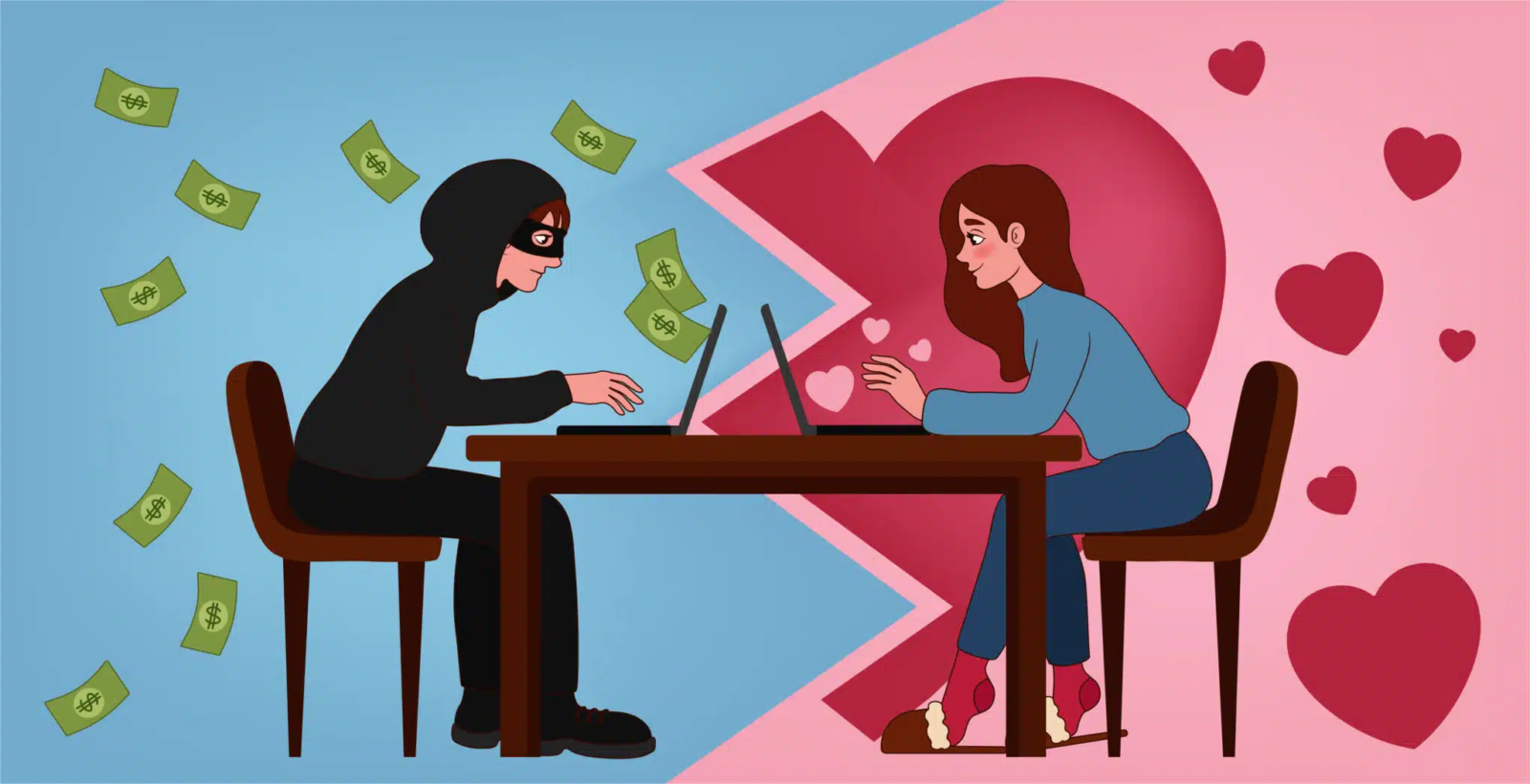
The weeks leading up to Valentine’s Day bring heightened feelings of love, connection, and hope. Every year, more people turn to dating apps and social media platforms in search of companionship during this period. However, the rise in online interaction also creates opportunities for fraud, as scammers exploit increased shopping, gifting, and dating activity to steal money and personal data.
Law enforcement agencies across Africa say these scams are no longer isolated incidents but part of organised digital crime networks. In 2025, an INTERPOL-led operation spanning 14 African countries led to the arrest of 260 suspected cybercriminals linked to romance scams and so-called “sextortion” schemes carried out through social media and online platforms.
Investigators identified more than 1,400 victims across countries, including Ghana, Kenya, and Angola, with estimated financial losses of nearly $2.8 million. The figures highlight how emotionally driven scams are increasingly enabled as more people come online.
Below are some of the most common technology-driven Valentine’s scams reported across Africa and how users can reduce their risk.
1. Fake profiles using stolen or AI-generated photos
In the weeks leading up to Valentine’s Day, scammers often create fake profiles across dating platforms and social media to exploit people looking for romance. Using stolen or AI-generated photos, they appear attractive and trustworthy, then quickly build emotional connections with compliments and personal stories.
In 2025, Meta said it deleted over 100,000 accounts from Nigeria, Ghana, Côte D’Ivoire, Benin, Kenya, and Cameroon linked to coordinated romance scam networks, showing how organised these operations are.
After grooming victims, scammers introduce crises or opportunities that require money or sensitive information, such as medical emergencies or Valentine’s gifts. AI tools now let them generate realistic photos, fake video calls, and cloned voices, making deception harder to spot.
To avoid being a victim, verify online partners through reverse image searches on photos, checking for inconsistencies, and keeping conversations on official platforms. Never share personal details or send money to someone you haven’t met in person or verified their authenticity, no matter how urgent their request.
2. Fake Valentine’s Day deals
In the past few days, have you noticed different companies popping up in your mailbox, blowing up your social media feeds, and grabbing your attention with ads promising heavily discounted prices on Valentine’s Day gifts like flowers, chocolates, and tech gadgets?
You click a link, and roses that normally cost ₦20,000 ($14.75) are going for ₦5,000 ($3.69), with messages telling you to “grab yours before the offer ends.” Well, a lot of those deals might not be real.
Scammers know people are pressured to buy Valentine’s gifts on a budget, so they set up fake e‑commerce sites or clone real online stores and social media shop pages to lure you in. You pay upfront, but the flowers never arrive, and the scammer disappears with your money.
Here’s how to spot when a Valentine’s Day deal is sketchy before you hand over your hard‑earned money. First, pay attention to the website or shop you’re being sent to. Legit deals will have a proper web address that starts with https and a padlock in the browser bar — that’s a signal your info will be encrypted and safer to enter.
Scammers love sites with weird URLs, poor design, or no contact details; those are classic signs you might be dealing with a fake shop. Also, watch out for ads or emails that pressure you to act right now or claim there’s “only a few left” at that price; that urgency is often used to get you to click without thinking.
Another red flag is how you’re asked to pay. Experts recommend using secure payment methods that offer fraud protection instead of using crypto; Once scammers have your money from those, it’s nearly impossible to get it back.
Try to stick to well‑known online stores or verified sellers. If you’re unsure about an offer, type the company’s name directly into your browser and shop from their official site instead of clicking links in ads or messages. Finally, if something looks too good to be true, trust that instinct; more often than not, it really isn’t a real offer.
3. Valentine’s Day giveaway scams
Giveaway scams are all over social media this time of year. Scammers pretend that major telecom or e-commerce platforms are giving away 50GB of data or special Valentine’s Day prizes. They tell you to click a link and share it to five or 10 groups, and once your “sharing” is done, the site will turn green, and your prize is ready to claim. Victims are often asked to fill out forms with personal details or pay small “processing” or delivery fees. The goal? Steal your data or collect money.
To stay safe, always verify giveaways on the brand’s official social media pages or website. Real promotions don’t ask winners to pay fees, and you shouldn’t have to spam links to unlock a prize.
4. Fake dating app subscription and verification scams
Fake dating app subscription and verification scams pop up a lot as Valentine’s Day approaches. Scammers send links claiming you can get discounted premium subscriptions or verify your account on popular dating apps. The links look real, but they redirect you to fake payment pages designed to steal your data.
The safest way to avoid this? Only upgrade subscriptions or verify your account through the official dating app or its verified website. Ignore any promotional links sent through unsolicited messages or third-party pages.
5. Account takeover scams through “love links”
Account takeover scams through “love links” spike around Valentine’s Day. You might get a message on a dating app saying something like, “I made a special Valentine video for you, watch it here,” or “Click this link to unlock your Valentine gift from me.” Sometimes it’s framed as a private photo, a voice note, or even a short video from someone claiming to be your match.
The link looks real, but it redirects you to a fake login page asking for your social media or email credentials. Some links even install malware or collect personal details, giving scammers full access to your accounts. Once they’re in, they can lock you out, steal sensitive data, or impersonate you to scam your friends.
To stay safe, never click links that ask you to log in outside the official app or website. Verify messages through the app’s built-in notifications, and turn on two-factor authentication for extra security. Legitimate Valentine messages will never require you to enter passwords or personal information on a random link.
6. Sextortion and blackmail scams
Sextortion scams become particularly aggressive around Valentine’s Day as scammers exploit the romantic atmosphere and people’s desire for intimate connections. The scam typically starts on dating apps or social media, where fraudsters pose as attractive potential partners. After building trust through flirty conversations, they suggest moving to a more “private” platform like WhatsApp, Telegram, or video calling apps, claiming they want a more personal connection away from the dating app.
Once on these platforms, the scammer escalates the conversation to something sexual, convincing victims to share intimate photos, strip on video calls, or engage in compromising situations. What victims don’t realise is that the scammer is recording everything. In some cases, the “person” on the other end isn’t even real. Scammers use pre-recorded videos of attractive people or deepfake technology to make victims believe they’re in a mutual, intimate exchange.
The blackmail begins immediately after. The scammer reveals they’ve recorded everything and threatens to send the intimate content to the victim’s family, friends, employer, or social media contacts unless money is paid. They often show screenshots of the victim’s social media friends and followers to prove they can follow through. The demands usually start small, maybe $100, but once a victim pays, scammers know they’re vulnerable and will keep demanding more money, sometimes for months.
This type of scam has seen alarming increases, particularly among younger people on platforms like Instagram, Snapchat, and TikTok.
To protect yourself, never share intimate photos or engage in video calls of a sexual nature with someone you haven’t met in person, no matter how genuine the connection feels. If you become a victim, don’t pay. Scammers rarely delete content and will likely continue demanding money. Instead, immediately report the incident to the platform, local authorities, and cybercrime units. Screenshot all evidence before blocking the scammer, as this can help investigations.
7. Wrong number scam
Though this scam may sound cliché, as it is one of the old methods used by these scammers, it is still something that goes on today. The wrong number scam has become increasingly common on WhatsApp, where scammers send messages pretending to have contacted the wrong person by mistake. When you reply to tell them they have the wrong number, instead of apologising and ending the conversation, the scammer continues chatting in a friendly or flirtatious manner.
They might say something like “Oh, sorry, but since we’re talking, where are you from?” or “My mistake, but you seem nice, what’s your name?” The conversation feels casual and harmless, often progressing to compliments about your profile picture or questions about your interests. Over time, the scammer builds rapport, making the interaction feel like a genuine connection or potential friendship. Some even share personal stories or photos to seem more trustworthy and create emotional investment in the conversation.
Eventually, the scammer reveals their true intent. They might try to guide you into signing up on fraudulent dating platforms where registration requires payment or personal information. Some send links to phishing pages designed to steal your login credentials, banking details, or other sensitive data. In more sophisticated versions, the wrong number contact transitions into a full romance scam or cryptocurrency investment scheme, using the initial “accidental” contact as a way to seem less suspicious.
Stay cautious of continuing conversations with people who claim to have messaged you by mistake. Legitimate wrong number contacts simply apologise and stop messaging once they realise their error. Never click on links sent by unknown contacts, no matter how friendly the conversation seems. Avoid sharing personal information like your full name, location, workplace, or financial details with strangers on messaging apps. If someone you don’t know keeps trying to maintain a conversation after being told they have the wrong number, block them immediately and don’t engage further.
8. Malicious Valentine’s Day apps and games scam
As Valentine’s Day approaches, app stores and third-party download sites flood with romantic-themed apps promising fun ways to celebrate the season. Love calculators that claim to measure compatibility with your crush, romantic wallpaper collections, Valentine’s Day countdown timers, couple games, and relationship quizzes all seem harmless and entertaining.
However, many of these apps, especially the ones downloaded from unofficial sources outside the Google Play Store or Apple App Store, are designed by scammers to steal your personal information or install malware that can cause serious damage.
To protect yourself, only download apps from official app stores like Google Play Store or Apple App Store. Check the developer’s name, read recent reviews rather than just the star rating, and be suspicious of apps with very few downloads.
Pay close attention to permissions. A simple love calculator has no legitimate reason to access your contacts, messages, or microphone. If an app asks for permissions that don’t match its purpose, don’t install it. Keep your phone’s operating system updated, and if something feels off about an app, trust your instinct and don’t download it.
9. Valentine’s Day phishing emails
Phishing emails disguised as Valentine’s Day greetings and special offers surged dramatically in 2025. Recent data shows that 50% of all Valentine’s Day-themed spam received between January 13 and February 7, 2025, were marked as scams, a sharp increase from the previous year when only 25% of unsolicited emails were tagged as fraudulent. This means half of the romantic emails flooding inboxes during this season are designed to steal your information or money.
These phishing emails come in different forms. Some impersonate HR departments, managers, or well-known vendors, offering exclusive gift cards, special employee discounts, or romantic surprise packages for Valentine’s Day.
Others appear as fake electronic greeting cards claiming to contain heartfelt notes, romantic poems, or digital Valentine gifts from a secret admirer or loved one. The emails tell you to click a link to view your special message, but instead of a sweet Valentine’s card, the link redirects you to phishing websites that steal your personal data or download malware onto your device.
The emails are often crafted with emotional language and urgency to make you click without thinking. Subject lines like “Your Valentine’s surprise is waiting,” “Claim your romantic getaway discount now,” or “Someone sent you a Valentine’s card” are designed to trigger curiosity and excitement, making you less likely to notice red flags.
Be wary of unsolicited Valentine’s emails, even if they appear to come from legitimate companies. Check the sender’s email address carefully for misspellings or suspicious domains. Hover over links before clicking to see where they actually lead. Never download attachments from unexpected emails, and avoid entering personal or financial information on websites you reach through email links.
If you receive a Valentine’s offer that seems interesting, go directly to the company’s official website by typing their URL into your browser rather than clicking the email link.
Love shouldn’t cost you your security
As online romance and digital gifting continue to grow across Africa, scammers are becoming more sophisticated in their methods, using AI, deepfakes, and social engineering to exploit people’s emotions and desire for companionship. The best defence against these scams is awareness, scepticism, and careful verification before sharing personal information, clicking suspicious links, or sending money to anyone online.
If you encounter a scam or become a victim, report it immediately to local authorities, cybercrime units, and the platforms involved. Your report could help prevent others from falling into the same trap. Remember, genuine love and authentic connections never require upfront payments, urgent wire transfers, or compromising your personal security. Stay vigilant, trust your instincts, and enjoy a safe Valentine’s season.