
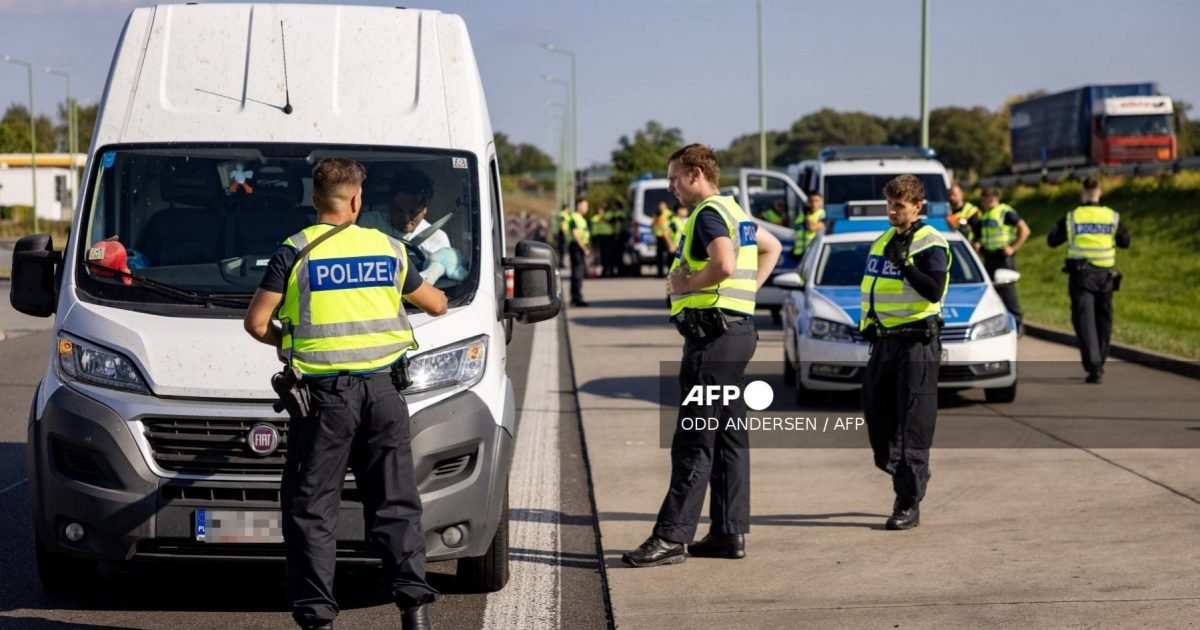
Germany has announced plans to expand border controls to all nine of its neighboring countries in an effort to curb irregular migration. The decision comes in response to recent extremist attacks that have heightened security concerns. The interior minister stated that the goal is to limit irregular migration, prevent criminal activities, and identify potential threats early on.
The border controls will be implemented for an initial six-month period and will involve temporary structures at land crossings and spot checks by federal police. Some EU members, such as Poland and Austria, have expressed reservations about the move, while the European Commission has urged caution in imposing such measures.
Germany’s central location within Europe and its borders with multiple Schengen zone countries complicate the situation. Existing border controls with some countries will be extended to include France, Luxembourg, the Netherlands, Belgium, and Denmark. The government aims to minimize disruptions for individuals living and working in border regions through coordination with neighboring countries.
Recent extremist attacks in Germany have fueled public anger, prompting calls for stricter migration policies. The government is under pressure to address these concerns, with upcoming elections adding to the urgency. Efforts are being made to streamline deportation procedures and enhance cooperation with European partners to manage asylum requests more effectively.
The issue of migration has also sparked debates in neighboring countries like Austria and Poland, with concerns about the impact of tightened German borders on the broader European migration landscape. Discussions are ongoing to strengthen EU external borders and address challenges related to migration flows across the continent.
The influx of asylum seekers in previous years has strained resources in Germany, leading to a reevaluation of border control measures. The Netherlands has also announced plans to request an opt-out from the EU’s common asylum policy, reflecting a broader trend of tightening migration policies across Europe.