
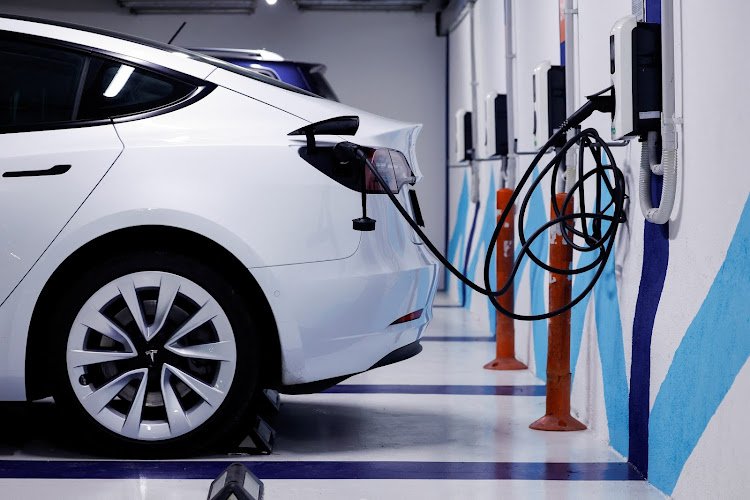
In this write-up, the exploration delves into the various aspects of smart battery management systems (SBMS) in electric vehicles. As electric vehicles gain traction as a sustainable mode of transportation, the significance of efficient battery management systems cannot be overlooked.
Smart battery management systems are crucial for maximizing battery performance, ensuring safety, and prolonging the lifespan of EV batteries. These systems play a pivotal role in monitoring and managing rechargeable battery packs in electric vehicles, regulating charging and discharging processes to optimize battery performance, safety, and longevity.
Unlike traditional battery management systems that focus on basic functions like voltage and temperature monitoring, smart battery management systems utilize advanced technologies such as artificial intelligence, machine learning, and real-time data analytics to enhance performance further.
Key functions of smart battery management systems include accurate state of charge estimation, state of health monitoring, thermal management, cell balancing, fault detection and safety monitoring, and enhanced communication capabilities. These functions work together to ensure optimal battery performance, longevity, and safety.
Smart battery management systems consist of critical components such as a microcontroller, voltage and temperature sensors, cell balancers, communication interfaces, power management circuits, and user interfaces. These components collaborate to manage battery operations efficiently.
Implementing smart battery management systems comes with challenges like the complexity of algorithms, costs, data security, lack of standardization, and variability in battery chemistries. Overcoming these challenges is crucial for the widespread adoption and effective implementation of smart BMS technologies.
Future trends in smart battery management systems point towards advancements in artificial intelligence and machine learning, enhanced safety features, wireless communication, integration with renewable energy sources, second-life applications, and user-centric features. These trends aim to improve battery performance, safety, user experience, and sustainability in electric vehicles.
Continued research and development investments will be key to addressing existing challenges and maximizing the potential of smart battery management systems in the future of electric mobility. The evolution of smart battery management systems is instrumental in advancing sustainable transportation and reducing carbon emissions in the automotive industry.