
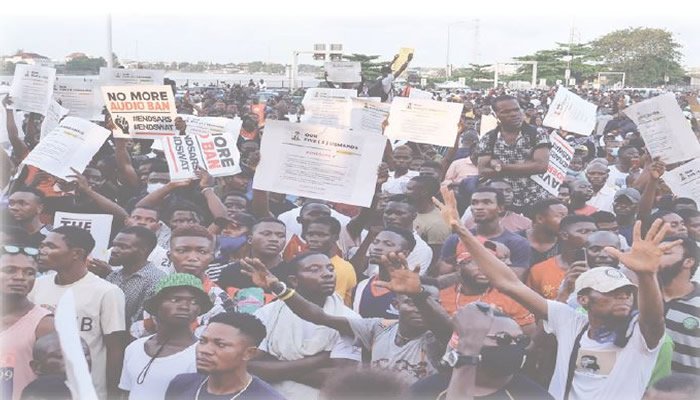
Is there a fear of protests within the current administration? The response to the recent August #EndBadGovernance protests and subsequent events suggest a reluctance to fully embrace the constitutionality of protests. Despite acknowledging the right to protest, the government, with the aid of security forces, attempted to suppress the demonstrations.
In various regions, including the Federal Capital Territory, the government utilized legal and police measures to halt the protesters. Harsh tactics such as tear gas, water cannons, and even live ammunition were employed. Reports indicated casualties, with differing accounts of the number of individuals killed and arrested.
Shockingly, ten protesters were charged with treason on September 2, with a hearing scheduled for September 11.
But is protesting an act of treason?
Treason is a severe accusation with historical implications. While it has been used to suppress dissent in the past, its application has diminished over time.
Recent events suggest a crackdown on protesters by the current administration, with treason charges being levied against individuals. This aggressive approach raises concerns regarding freedom of expression and democratic values.
The shift towards stifling protests could intensify existing tensions and drive opposition underground. By silencing dissent, the administration risks alienating segments of the population and fostering further unrest.
It is crucial for authorities to handle public demonstrations peacefully and constructively, addressing grievances rather than resorting to force. Addressing the root causes of discontent is imperative to prevent future protests and social upheaval.