
Commercial banks in Kenya are voicing their opposition to the Central Bank of Kenya’s (CBK) proposal to develop a new real-time payments system, preferring an upgrade to Pesalink instead. They argue that enhancing the current system would save time, reduce costs, and minimize disruptions.
In a letter obtained by TechCabal, the Kenya Bankers Association (KBA) has encouraged CBK to build upon Pesalink, the payment platform owned by the association through its fintech subsidiary, Integrated Payment Services Limited (IPSL). The letter dated October 25, 2024, suggests that leveraging Pesalink would be the most efficient and cost-effective approach to achieve the regulator’s objective of establishing a seamless Fast Payment System (FPS).
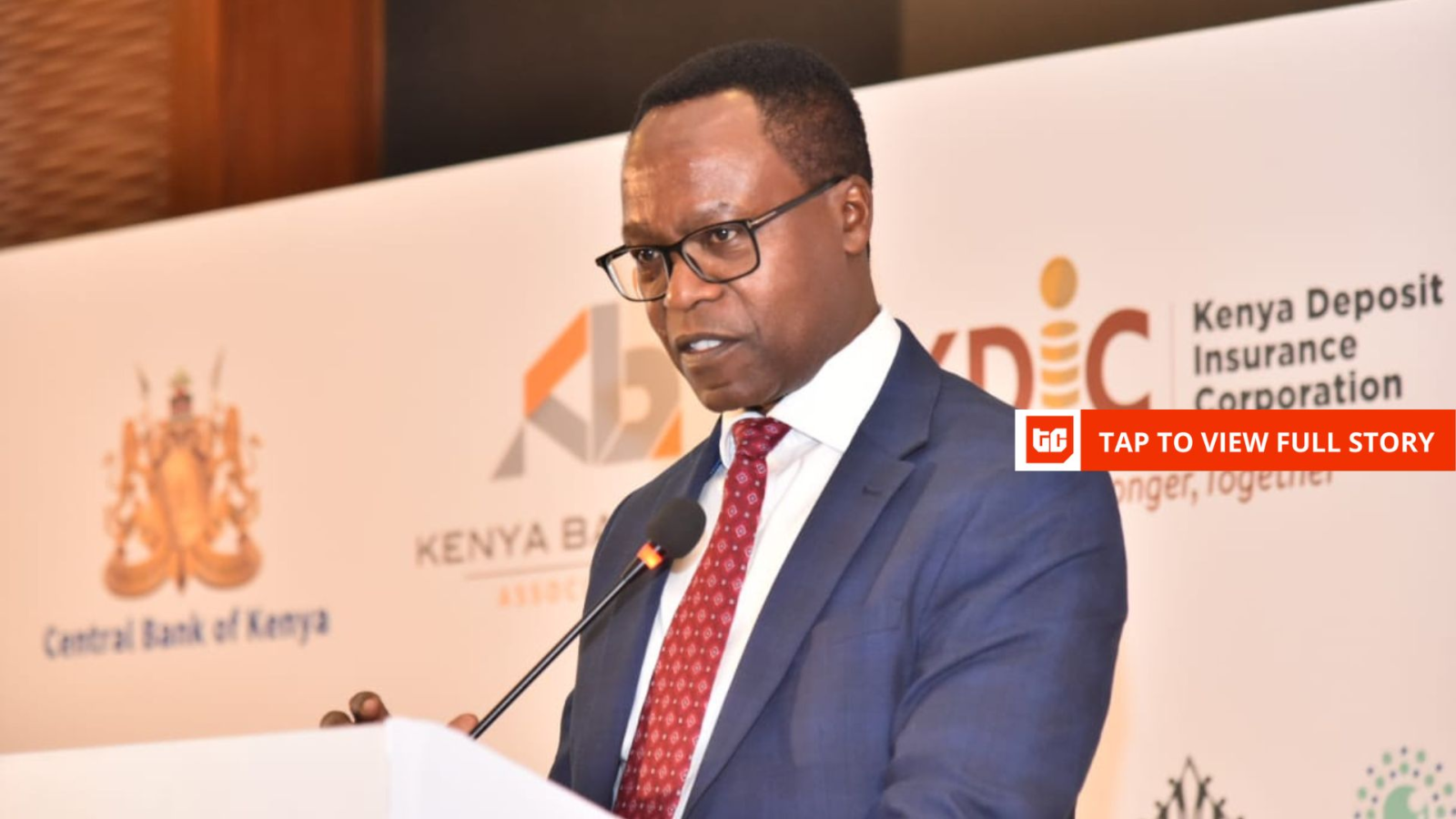
John Gachora, KBA chairman and CEO of NCBA Bank, mentioned, “This would involve IPSL evolving into a national switch, with significant changes in ownership, governance, technology, and business model to incorporate CBK, banks, Safaricom, Kenswitch, and other licensed payment participants as desired by CBK.”
On October 18, CBK announced its intention to develop the FPS, a system intended to facilitate instant transactions across all financial institutions, including banks and licensed payment service providers. While a launch date has not been disclosed by CBK, commercial banks are advocating for a prompt implementation, emphasizing the importance of speed and cost-effectiveness for success.
Gachora further highlighted, “In establishing a successful FPS, careful consideration must be given to factors such as the speed of execution to establish the FPS and connect all market players, the associated costs, and the adjustments required by various players to facilitate seamless transactions.”
A diverse payments environment
Kenya’s payments landscape is currently fragmented, with mobile money platforms like M-Pesa and Airtel Money operating independently from other financial institutions. While mobile money enables instant transfers between Kenyan banks and digital wallets, it is limited to institutions that have partnerships with the providers. For instance, some banks and microfinance institutions do not support transfers to Airtel Money wallets, creating obstacles for customers.
Pesalink currently allows peer-to-peer transfers among the 39 KBA members, but it faces challenges in integrating with fintech companies and mobile money providers. For instance, Pesalink users are unable to make payments to mobile money wallets, limiting its utility as a comprehensive digital payment solution.
This fragmentation complicates the process for businesses looking to consolidate payments into a single account, as they must navigate multiple systems for card payments, mobile wallets, and bank transfers. A unified payment system like FPS would enable merchants to accept all forms of digital payments into a single account, similar to how card payments are processed across various platforms.
Mobile money dominance with isolation
Despite the existing challenges, mobile money continues to be a dominant force in Kenya’s payments sector. In 2024, mobile money transactions surpassed $300 billion, outperforming traditional methods like cheques ($15.4 billion) and the Real-Time Gross Payment System ($21.6 billion).
By introducing a unified national platform for instant transactions, CBK’s FPS could be transformative, offering real-time, cross-platform payments that connect every aspect of the financial ecosystem, from banks to mobile wallets to fintech companies.