
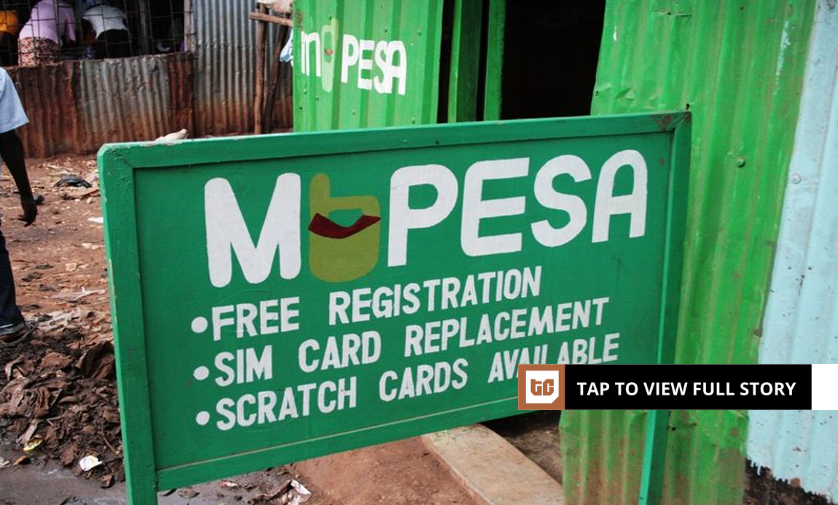
The Information and Communications (Amendment) Bill of 2022 in Kenya has been brought back by lawmakers, aiming to separate Safaricom, the leading telco in the country, from its mobile money division, M-PESA. The intention is to split the two entities to reduce Safaricom’s market dominance and increase transparency. The bill, if passed, would mandate Safaricom to create a standalone unit for M-PESA, something the telco has resisted in the past.
M-PESA, which is Kenya’s largest payment platform, recorded 31.3 million active users from March 2023 to March 2024, facilitating transactions worth over $312 billion (KES40.2 trillion) during this period.
The proposed bill suggests that a person engaged in telecommunications services may conduct other businesses as well, but they must separate the telecommunications aspect from other operations.
Safaricom has opposed the idea of splitting its mobile money business, arguing that it would not benefit shareholders and that the integration with M-PESA provides strategic advantages. In contrast, other companies like Airtel Africa and MTN have separated their mobile money operations, with positive outcomes.
Currently, M-PESA is regulated by the Central Bank of Kenya, while the telco arm falls under the oversight of the Communications Authority of Kenya. The Central Bank has been advocating for a complete separation to enhance its supervision of M-PESA transactions.
Safaricom’s CEO, Peter Ndegwa, mentioned plans to establish a Holdco in 2025 to manage various business lines, including M-PESA. The company has raised concerns about potential tax liabilities resulting from a split, citing a significant tax bill that could surpass its net profit in 2023.
The situation remains contentious as Safaricom continues to resist pressure to split its mobile money business, emphasizing the unique advantages of its integrated model.