
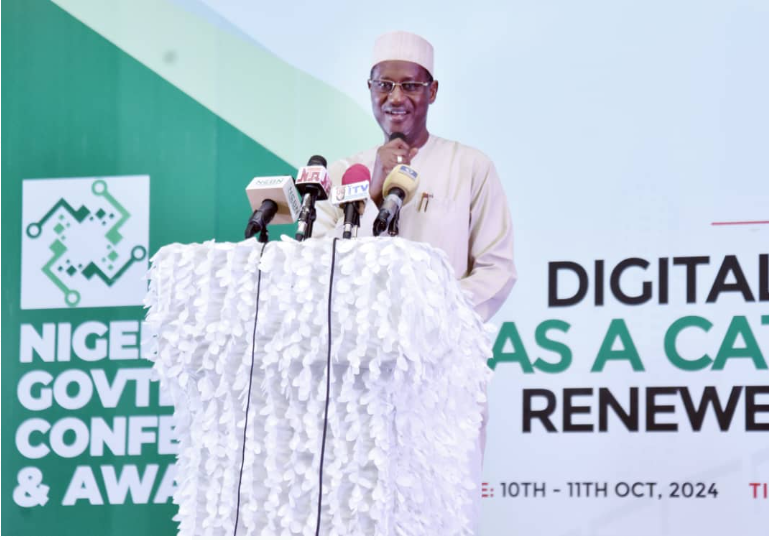
The Federal Government recently revealed that less than 10 percent of land in Nigeria has been officially documented over the span of 140 years. The Minister of Housing and Urban Development, Ahmed Dangiwa, expressed concerns about the slow and inefficient land registration system in the country, stating that it has hindered the registration of a significant portion of land.
To address this issue, the government is partnering with the private sector to expedite land registration and documentation processes nationwide. The Minister stressed the importance of systemic reforms to tackle the high percentage of unregistered land, which limits landowners from utilizing their assets for economic growth.
By implementing a national digital land information system, enhancing formal land transactions, and training registration officers, the government aims to register, document, and title all land parcels. This initiative is crucial for unlocking the dead capital estimated at over $300 billion and catalyzing economic transformation in the country.
The Minister highlighted the involvement of the private sector through public-private partnerships as essential for the success of the program. He emphasized the potential investment opportunities in digitized land administration and the importance of adapting successful partnership models to the Nigerian context.
The World Bank has pledged its support to the National Land Registration and Documentation Programme, recognizing its alignment with poverty eradication goals. The initiative is expected to increase formal land transactions significantly, improve access to credit, and boost revenue for state governments in the coming years.
Dangiwa reassured stakeholders of the government’s commitment to establishing a uniform framework for land administration while respecting state-level jurisdictions. The initiative, endorsed by the World Bank, aims to streamline land registration processes and drive economic development at both national and sub-national levels.