
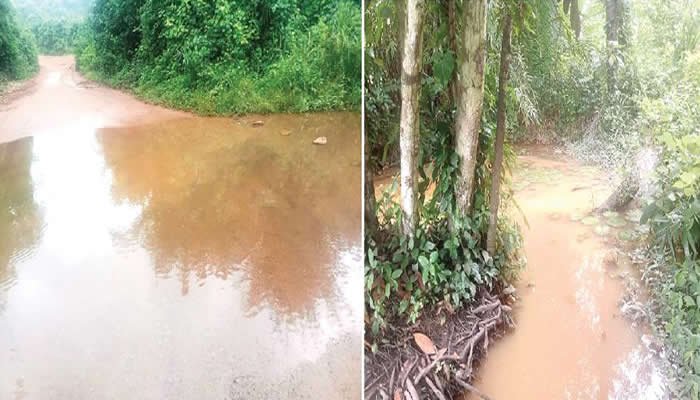
In rural communities of Ogun State, women and girls face challenges managing their menstrual periods due to a lack of access to clean water and sanitary products. These communities rely on contaminated water sources like muddy wells and polluted rivers, leading to health risks and infections. The scarcity of clean water exacerbates the difficulties faced during menstruation, causing discomfort and shame.
Women like Esther and Sherifat from these communities shared their struggles with poor hygiene practices during menstruation, using rags and old clothes due to the unavailability of proper sanitary facilities. The unsanitary conditions expose them to waterborne diseases, impacting their health and well-being.
The inadequate access to clean water not only affects personal hygiene but also hinders educational opportunities for girls who miss school due to menstrual challenges. The lack of menstrual products and hygienic facilities perpetuates what is known as “period poverty,” affecting millions of women worldwide.
Experts warn that using contaminated water during menstruation can lead to infections and health issues, emphasizing the importance of maintaining good menstrual hygiene practices. Efforts by the Ogun State government to provide clean water and sanitation facilities in rural areas aim to address these challenges and improve the well-being of residents.
Through sensitization programs and interventions, the government is working to educate communities on proper hygiene practices and water treatment methods to prevent waterborne diseases. Initiatives like the Sustainable Urban Water Supply Programme aim to increase water access and bridge the gap in water supply for underserved communities.