
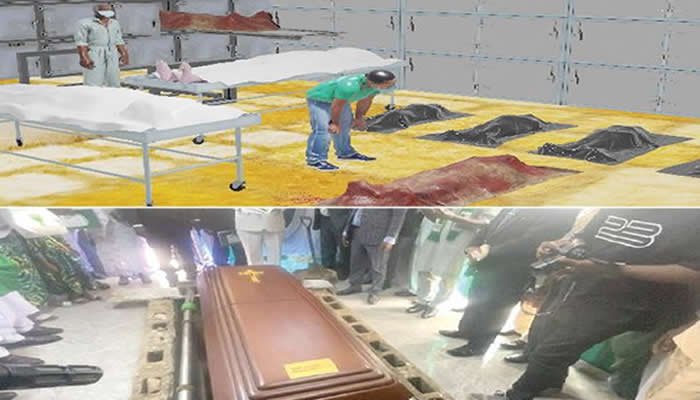
In Nigeria, a concerning pattern of abandoning deceased loved ones in mortuaries has emerged due to the increasing costs and societal pressures related to elaborate funerals. This trend has led to overcrowded morgues, as families often prioritize extravagant send-offs over timely burials. This dilemma has resulted in some bodies remaining unclaimed for extended periods, causing emotional distress and financial strain on families. The story of Chibundu illustrates the conflict between family members over the appropriate timing and scale of his father’s burial, highlighting the societal expectations and personal struggles involved.
Another instance involved Chief Odinukaeze, whose body remained unburied for 15 years due to family disputes and financial burdens. The prolonged delay in his burial showcased the detrimental effects of unresolved family conflicts on the deceased and their loved ones.
In a separate case, Uchenna faced legal repercussions for allegedly misusing funds meant for his father’s burial, leaving the body abandoned in a mortuary for nine months. The narrative exposed the complexities of inheritance battles, cultural expectations, and financial pressures that contribute to the abandonment of corpses in mortuaries across Nigeria.
Various teaching hospitals in the country, such as the University of Uyo Teaching Hospital and Lagos University Teaching Hospital, have grappled with an accumulation of unclaimed bodies in their mortuaries. The scenario underscores the challenges faced by hospitals in managing unclaimed corpses and the need for families to address these issues promptly.
Efforts to address the issue have included legislative measures in states like Enugu and Anambra, aiming to streamline burial practices and discourage extravagant funerals that burden families. Despite these regulations, enforcement has been challenging, leading to a continued struggle with abandoned corpses in mortuaries.
The prevalence of abandoned bodies in Nigerian mortuaries reflects a complex interplay of cultural, economic, and social factors. The emphasis on elaborate funerals, driven by societal expectations and financial constraints, often results in delayed burials and unclaimed bodies, posing ethical and logistical challenges for families and healthcare institutions.
As the nation grapples with the impact of abandoned corpses on mortuaries and families, there is a growing recognition of the need for a cultural reevaluation of funeral practices to ensure dignity for the deceased and financial sustainability for families. This ongoing conversation highlights the intricate relationship between tradition, economics, and societal values in the context of burial customs in Nigeria.