
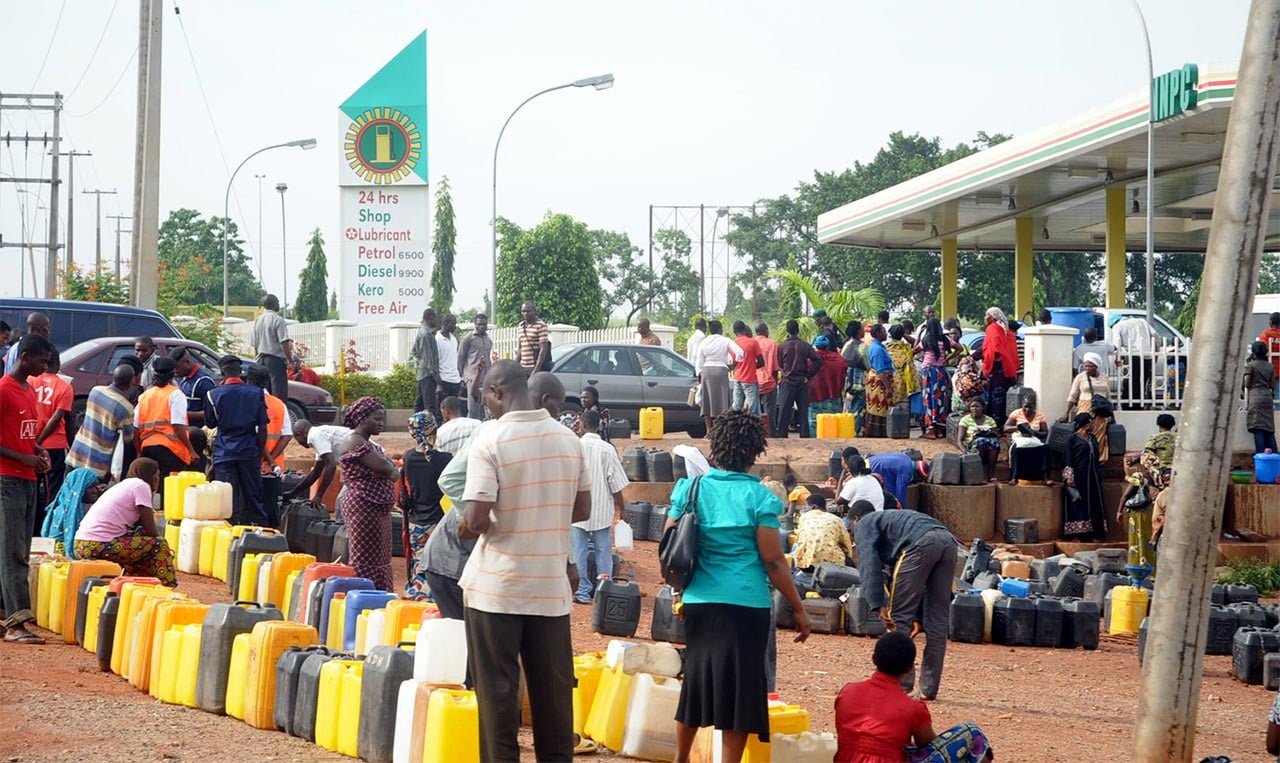
Recent updates in the downstream petroleum market have shed more light on the situation, confirming that the Nigeria National Petroleum Corporation Limited has ceased fuel importation and will now be exclusively sourcing supplies from Dangote Petroleum Refinery.
Furthermore, the Independent Petroleum Marketers Association of Nigeria, which operates a vast network of 30,000 fuel retail outlets, announced a deal to procure petrol, diesel, and aviation fuel from Dangote. Additionally, the management of Dangote Refinery has initiated discussions with the Petroleum Products Retail Outlet Owners Association of Nigeria regarding direct petrol supply arrangements.
These developments indicate a potential resolution of tensions between Dangote Refinery and independent petroleum marketers, who had previously criticized the refiner for excluding them from fuel supply agreements despite deregulation. Allegations of unfair petrol pricing by Dangote were met with claims of substandard fuel by the refiner in response to accusations that imported petrol could be obtained at a lower cost than Dangote’s N990 per liter offer.
The ongoing petrol price dynamics in the downstream petroleum sector continue to burden consumers with soaring pump prices, despite the significant increase in local refining capacity with a 650,000bpd refinery. The need for affordable and readily available fuel remains critical for Nigerians.
While the government defends the removal of fuel subsidies and market deregulation as necessary economic steps, many households are struggling to cope with the sharp rise in petrol prices from N187 per liter to N1,300 within 17 months, given their income limitations.
The impact of these price hikes on food and transportation costs has been compounded by a 70% devaluation of the naira since June 2023 and a fivefold increase in electricity tariffs for certain consumer categories, including industries.
Although headline inflation slightly decreased to 32.70% from a peak of 34.19% in June, it is anticipated to resume an upward trend in October.
The absence of a robust social safety net and the limited effectiveness of previous measures to alleviate the cost-of-living challenges necessitate a reevaluation of strategies to reduce petrol prices significantly. Implementing the proposed CNG alternative requires time for market maturity and widespread adoption.
Given the government’s stance against reinstating subsidies, it is crucial for the crude-for-naira sales agreements with local refiners to benefit both the refiners and consumers. The government’s oversight should encompass all factors influencing pump prices to prevent any dominant player from monopolizing the market and setting prices arbitrarily.
Petrol prices have a ripple effect on all sectors in Nigeria. As the reforms progress, unchecked price increases should be avoided, especially considering the government’s significant investments in Dangote Refinery through concessions during construction, NNPCL’s $1 billion stake, and the recent crude supply deal eliminating the need for foreign exchange. The refinery’s tax exemptions in a free trade zone are expected to help stabilize product prices.
However, establishing a competitive market in a deregulated environment necessitates the involvement of multiple players. With the NNPC’s refineries not yet operational and efforts underway to attract investors for their management, competition against Dangote Refinery may be limited unless other oil marketers import fuel, which should remain a viable option to balance the dominance of a single refiner.
To further alleviate the impact of petrol prices on private power generation, the government could explore reducing tariffs on alternative energy products like solar panels, inverters, batteries, and energy-efficient light bulbs.