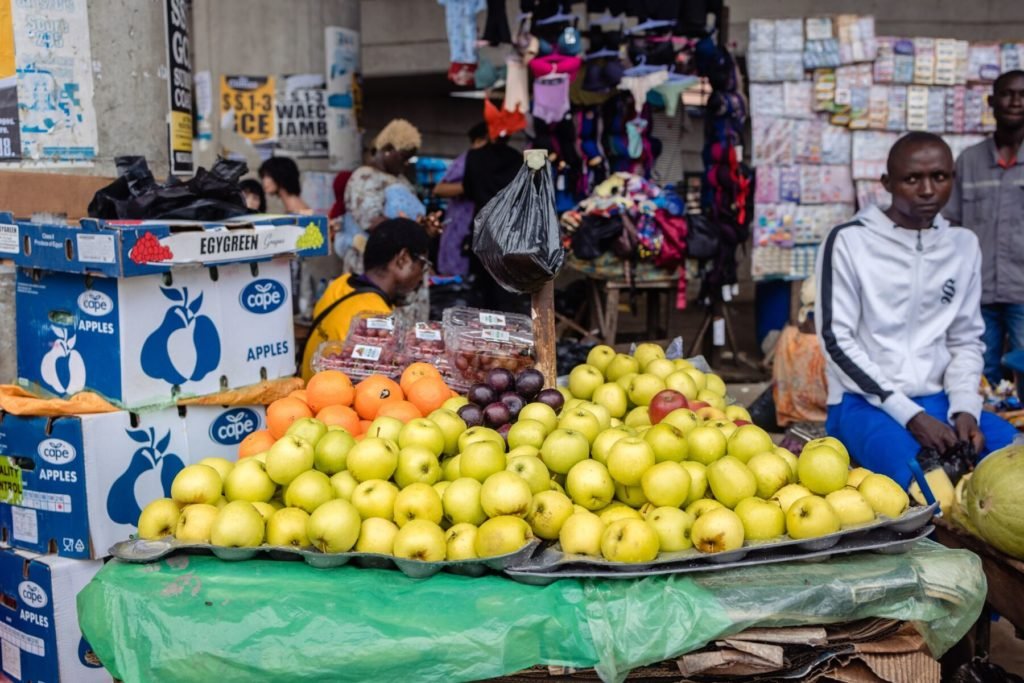
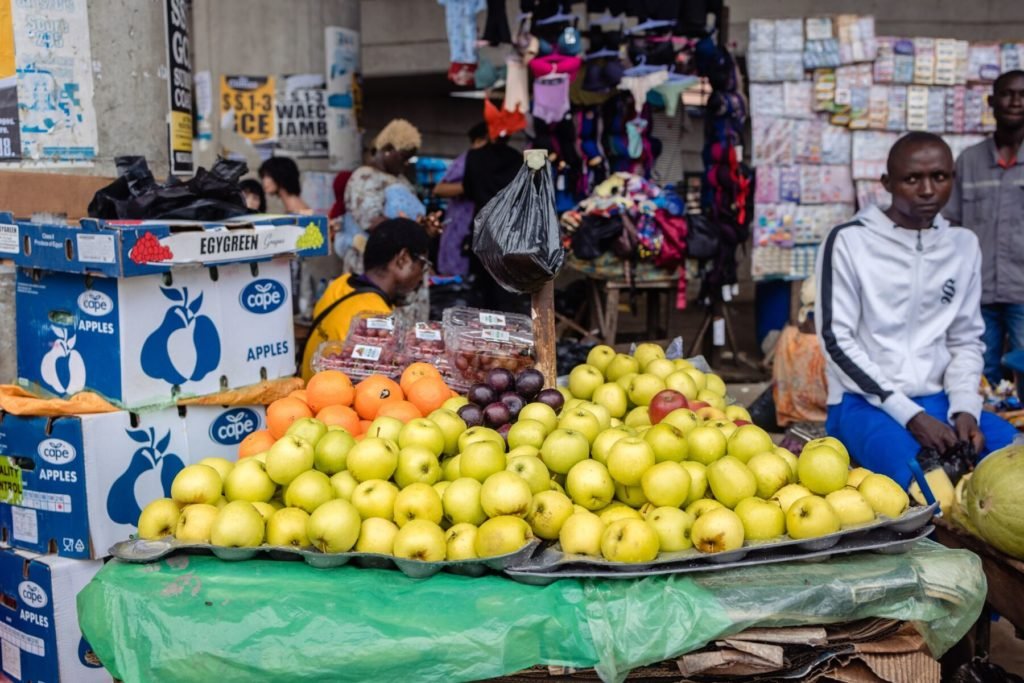
In September, Nigeria experienced a slight acceleration in headline inflation, breaking a two-month downward trend due to higher fuel prices outweighing the benefits of a bumper harvest.
According to data released by the National Bureau of Statistics, the inflation rate for September stood at 32.70%, up from 32.2% in August. The previous two months had seen a decline in headline inflation driven by lower food prices during the harvest season and a six-month duty-free period on food imports.
The increase in September’s inflation was influenced by a 45% rise in fuel prices, impacting the cost of food transportation significantly. Food and transportation costs together contributed nearly 20% to the overall increase in headline inflation for the month.
Food inflation rose to 37.77% in September from 37.5% in August, while core inflation, excluding agricultural produce and energy, saw a slight uptick to 27.6% from 27.5%.
The current harvest season in Nigeria has led to a surge in demand for food transportation, primarily by road, resulting in increased fuel consumption. This factor, as highlighted by analyst Basil Abia from Veriv Africa, has played a role in the rise of September’s inflation rate.
The Central Bank of Nigeria, in its recent Monetary Policy Committee meeting, indicated a leaning towards further tightening of the monetary cycle due to the continued rise in core inflation during July and August. Consequently, the Bank implemented a surprise 50 basis point interest rate hike in September to raise borrowing costs. The next rate decision is expected to be announced in November.
The drop in food prices during the harvest season had initially led to a slowdown in headline inflation for two consecutive months before the reversal seen in September.