
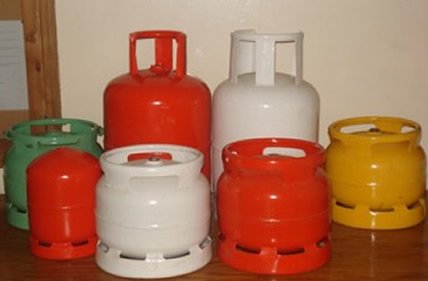
The recent surge in the cost of Liquefied Petroleum Gas, commonly known as cooking gas, from N700/kilogramme in June 2023 to N1,500/kilogramme in October 2024, highlights the need for immediate action from the government.
This price hike is attributed to the current foreign exchange rate, making it challenging for importers to secure funds. The devaluation and floating of the naira during this administration have significantly devalued the currency, with the naira now trading at around N1,700 to the dollar from less than N700 in May 2023.
Despite Nigeria being a major oil producer, it heavily relies on imported LPG. The government recently announced a halt on the export of locally produced cooking gas to prioritize domestic supply.
The Minister of State Petroleum Resources (Gas), Ekperikpe Ekpo, stated that this measure will begin on November 1 to address the high gas prices. This decision follows a meeting in Abuja with stakeholders to tackle the escalating costs and its impact on Nigerians.
Efforts to lower the increasing cost of cooking gas have been promised by Ekpo in the past, but unfortunately, prices have continued to rise. The lack of investment in production facilities has led to over 60% of the country’s cooking gas being imported.
Nigeria possesses substantial gas reserves, yet insufficient local production of LPG persists. The government must prioritize investments in production facilities to meet the rising demand and reduce dependency on imports.
Cooking gas is a vital energy source for many households, and the government must take action to make it affordable to prevent further economic strain on citizens.
Failure to address the rising gas prices may force households to resort to using harmful alternatives like firewood, charcoal, or sawdust, leading to severe health implications, especially for women and children.
The government should incentivize the conversion of propane output and invest in domestic gas production to meet the growing demand. Without an increase in local production, the price of cooking gas will likely continue to rise.