
Recent data from a popular savings platform reveals a significant decrease in the purchasing power of Nigerians over the past year.
Nigerians are facing financial challenges compared to the previous year, with impacts on income, savings, spending, and emergency funds, highlighting the effects of inflation on the economy.
The report, based on a survey of over 10,000 Nigerians, coincides with a slowdown in Nigeria’s headline inflation rate but is still higher compared to previous years, largely attributed to economic reforms.
The inflationary environment has resulted in a large percentage of Nigerians earning little to no income monthly, with a substantial portion struggling to make ends meet.
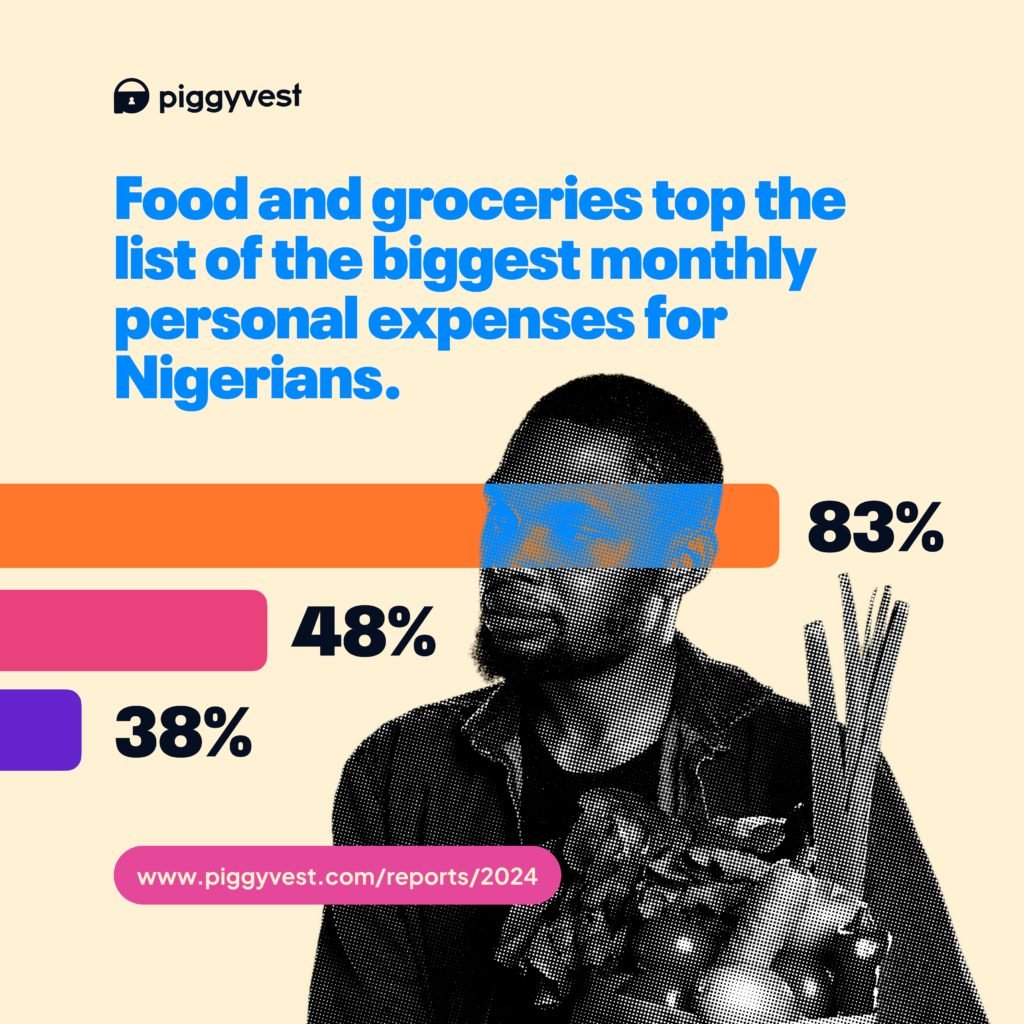
Despite a decrease in overall spending, most Nigerians still allocate a significant portion of their income to food expenses, with transportation costs now ranking higher following the removal of fuel subsidies.
There has been a decline in the number of Nigerians saving money, with various factors such as increased costs of living contributing to this trend.
Furthermore, the devaluation of the local currency has impacted saving goals, with fewer individuals prioritizing emigration due to increased costs associated with currency fluctuations.
Emergency savings have also decreased, leaving a majority of Nigerians vulnerable to unplanned expenses without proper financial backup.
Piggyvest encourages individuals to analyze the insights from the report and adjust their financial decisions accordingly to adapt to the changing economic landscape.
You can access the full report for more details.