
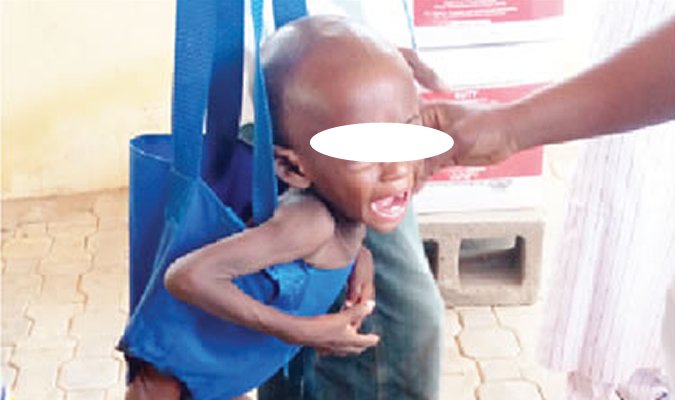
The Paediatric Association of Nigeria has expressed concern about the rising cases of malnutrition among children in the country. It was revealed that malnutrition plays a significant role in about 45% of childhood deaths in Nigeria. The President of the association highlighted that the economic situation of the nation directly impacts the alarming burden of malnutrition in Nigerian children.
During the association’s 56th Annual General Meeting and Scientific Conference in Gombe State, it was noted that factors such as exchange rate challenges, high fuel costs, and low wages have contributed to decreased family finances, leading to food insecurity and inadequate food supply for children.
Statistics showed an increase in the proportion of under-five children with stunting from 37% in 2018 to 40% in 2023, making it the highest prevalence rate globally. The President emphasized the severe consequences of stunting, including increased mortality risk, poor cognitive development, and low productivity in adulthood.
Additionally, the prevalence of underweight children rose from 22% in 2018 to 27% in 2023, indicating a higher risk of severe malnutrition. The President attributed the escalating malnutrition rates to reduced farming activities due to climate challenges, natural disasters, and insecurity.
Exclusive breastfeeding practices were highlighted as crucial for childhood nutrition, although the rate among Nigerian children under six months has remained low at 29% since 2018. Improving family finances was suggested as a means to enhance exclusive breastfeeding and overall infant nutrition.
Furthermore, despite free and compulsory primary education in Nigeria, only 67% of young children are enrolled in schools. The President raised concerns about the significant number of out-of-school children in Nigeria, particularly affecting girls and contributing to high child marriage rates in Africa.
In conclusion, parents were urged to be aware of children’s rights to nutrition, healthcare, and education, while the government was called upon to prioritize the safety and welfare of children in communities.