
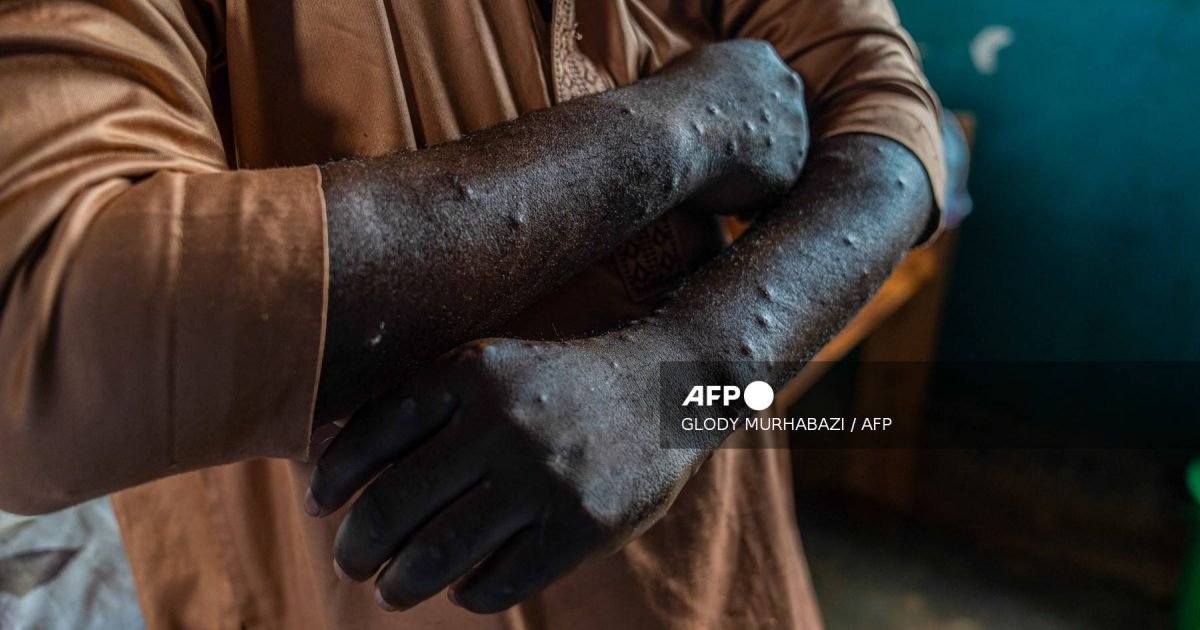
As night falls in Kamituga, a town in eastern DR Congo known for its gold mines, a mix of individuals, including gold-diggers, hawkers, and prostitutes, flock to the local bars. Some attribute the town’s growing mpox outbreak to its vibrant nightlife.
The town, which was a hub for Belgian companies in the past but now attracts various DIY diggers and prospectors, has seen an increase in mpox cases since September. With a population estimated to be much higher than official figures suggest, Kamituga is now characterized by gold-buying bureaus, mining equipment shops, and bustling nightclubs.
The close physical contact in these establishments provides an ideal environment for mpox to spread rapidly. Prospectors, after a day of mining, spend their earnings on companionship and revelry, often without protection, as highlighted by a prospector who contracted the disease.
The local hospital’s medical staff has been at the forefront of dealing with the resurgence of mpox. Cases of unusual skin lesions observed in nightclub workers led to the discovery of the outbreak. The spread of the disease was fueled largely by prostitutes, with a nightclub earning the moniker “Mambengeti,” now synonymous with mpox in the area.
Despite the stigma surrounding their profession, prostitutes in Kamituga have seen a decline in business due to the outbreak. Some infected individuals choose to remain silent about their condition to continue earning money. The town’s alleys are frequented by pimps and prostitutes, some tricked into selling their bodies under false pretenses.
The virus has not been contained within Kamituga, as it has spread throughout South Kivu and is now considered the epicenter of the epidemic in the country, making the DRC the worst-hit by mpox in Africa.