
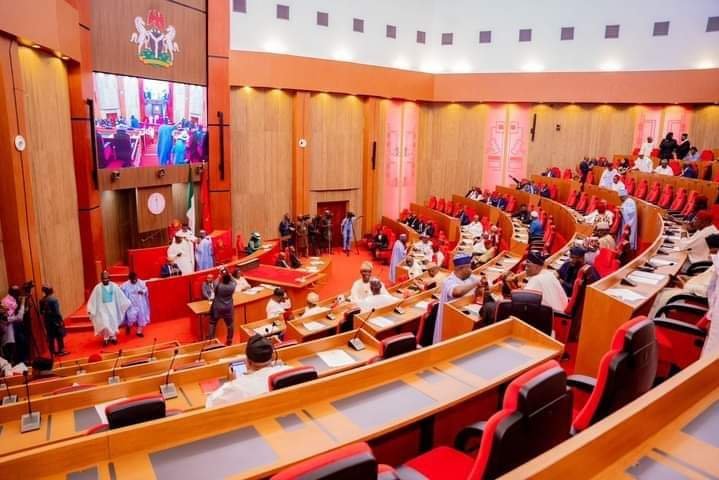
Today, the Senate is set to begin a public hearing on tax reform bills, followed by the House of Representatives opening discussions on the controversial bills the next day. The public hearing aims to gather input from stakeholders on bills like the Joint Revenue Board Establishment Fund Bill and the Nigerian Revenue Services Bill. The tax reform bills are crucial for the Federal Government’s fiscal reforms and economic recovery efforts to improve infrastructure, education, and other sectors.
The Senate Committee on Finance, led by Senator Sani Musa, has invited various heads of agencies and stakeholders to contribute to the public hearing. Similarly, the House of Representatives has formed a Special Committee to oversee the process. The public hearing is open to all members of the House to participate and provide feedback on the proposed tax laws.
Some lawmakers have expressed concerns about certain clauses in the bills and plan to address them during the public hearing. Opposition members emphasize that the public hearing does not equate to automatic endorsement of the bills, as the Finance Committee’s report will still be subject to further scrutiny and voting in the House.
Meanwhile, there are mixed reactions from different groups regarding the tax reform bills. The Coalition of Northern Groups has rejected the bills, citing concerns about their potential negative impact on the Northern region. In contrast, the Northern Youth Council of Nigeria supports the reforms, believing they will lead to a fairer tax system and encourage private sector investment.
As the public hearing approaches, various traditional rulers and groups have confirmed or denied receiving invitations to attend. While some groups express readiness to participate, others are yet to be formally invited. The Middle Belt Forum, for instance, is willing to attend the public hearing despite not receiving an invitation, highlighting concerns about the revenue-sharing formula in the bills.