
This article was contributed by Osideinde Adewale. COO, Bitnob, Oluwaseyi Otunla, COO OneKard and Nika Naghavi, Deals and Strategic Partnerships Director, Zeps (WorldRemit and Sendwave) as part of the Emerging Trends in Cross-Border Payments: A Growth Guide for Stakeholders report authored by Aroghene Favour Ndulu and Paschal Okeke.
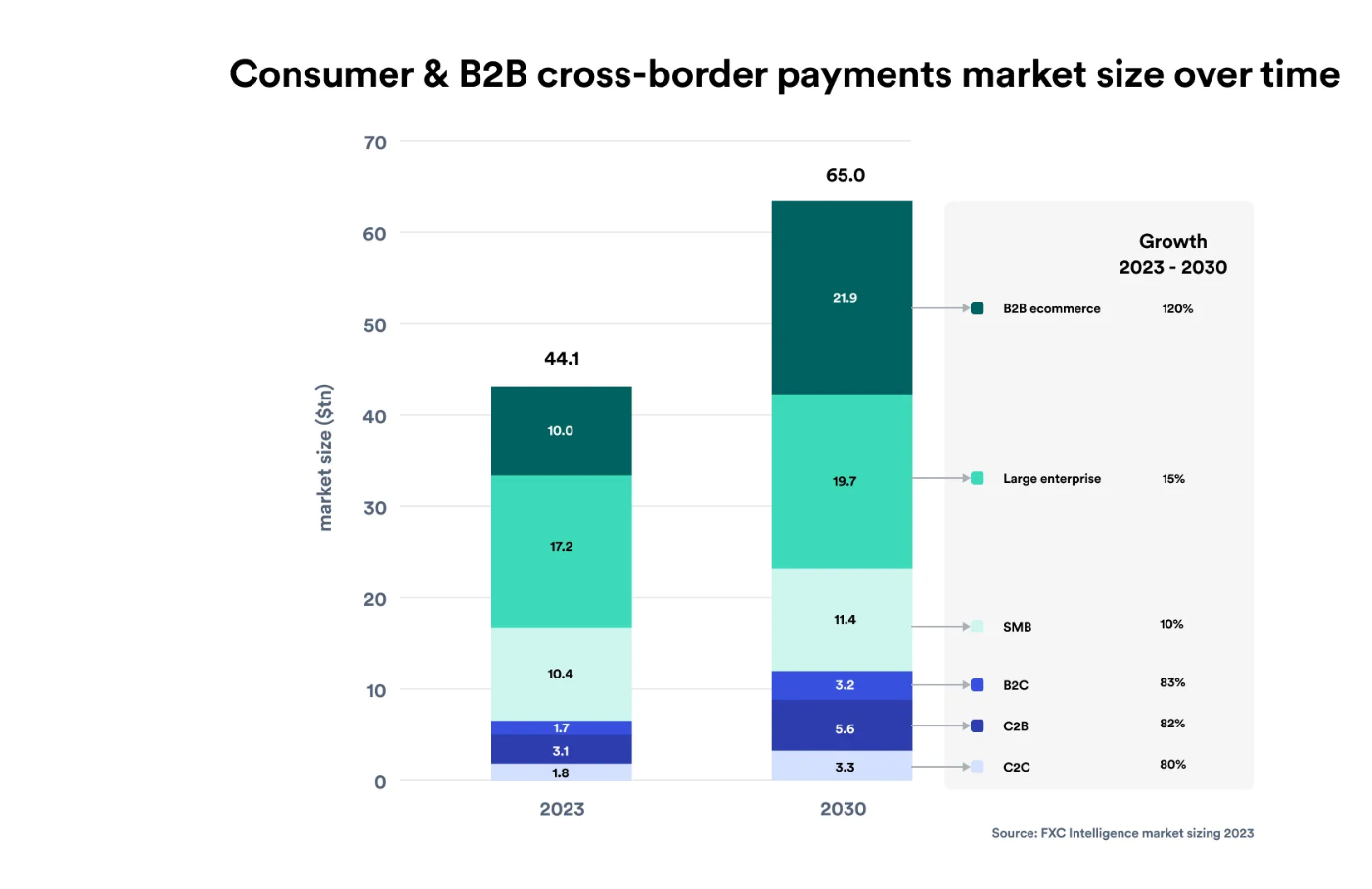
E-commerce and digital marketplaces top the list of sectors with the most significant potential for growth in cross-border payments. With more people shopping internationally for better deals, platforms like AliExpress, Shein, and the latest Temu are thriving. They’ve simplified cross-border payments, breaking down barriers for buyers globally, including in Africa.
Next is freelancing and remote work, which have reshaped global hiring. US and European companies hire from Africa’s talent pools, driving demand for effective cross border payroll systems.
Travel and tourism are also booming. Tourists want payment options that work seamlessly across borders as travel rebounds, avoiding currency conversion headaches. This demand continues to grow as travel becomes more accessible.
International Trade. Small and medium-sized enterprises (SMEs) are a major driver of cross-border payments. SMEs sourcing goods internationally rely on cheaper solutions to pay suppliers, especially in China and other global hubs.

Addressing the high cost of remittance fees in Africa
Remittance fees in Africa often exceed 8-10% of transaction values, far above the global average of 6%. These high costs burden millions who rely on remittances for daily expenses, education, and investments. Companies can address this challenge by focusing on technology, partnerships, and government collaboration.
For instance, blockchain-based digital assets such as Bitcoin and stablecoins provide a more cost-effective way to transfer money by reducing traditional processing fees. Platforms like Bitnob enable users to send and receive funds at little to no cost by leveraging digital assets in the background. These platforms offer competitive exchange rates and instantly settle funds to mobile money wallets or bank accounts in the recipient’s local currency.
Similarly, digital wallets and mobile money platforms like M-Pesa in Kenya and Paga in Nigeria reduce dependency on banks, allowing funds to be sent directly to recipients. This reduces costs and improves accessibility.
Regulatory bottlenecks and high taxes contribute a lot to remittance costs. Companies can work with governments to advocate for reduced transaction taxes, streamlined licensing for money transfer operators, and policies that encourage open financial ecosystems.
Serving the underbanked with cross-border solutions
Underbanked and rural populations represent a largely untapped market for cross-border payment solutions, especially in emerging regions like Africa. Despite limited access to traditional banking, these communities are becoming active participants in the global economy through remittances, e-commerce, and small-scale trade.
To capitalise on their growing economic role, solutions designed for small-scale transactions and local currencies can help reduce barriers, making international payments more accessible and less intimidating with features like dynamic currency conversion and real-time, affordable exchange rates.
In regions with limited smartphone penetration, cross-border payments that function via SMS, USSD, or offline modes can further accelerate adoption. Providers can provide uninterrupted service by ensuring transactions auto-complete once connectivity is restored, even in low-tech environments.
Complementing