
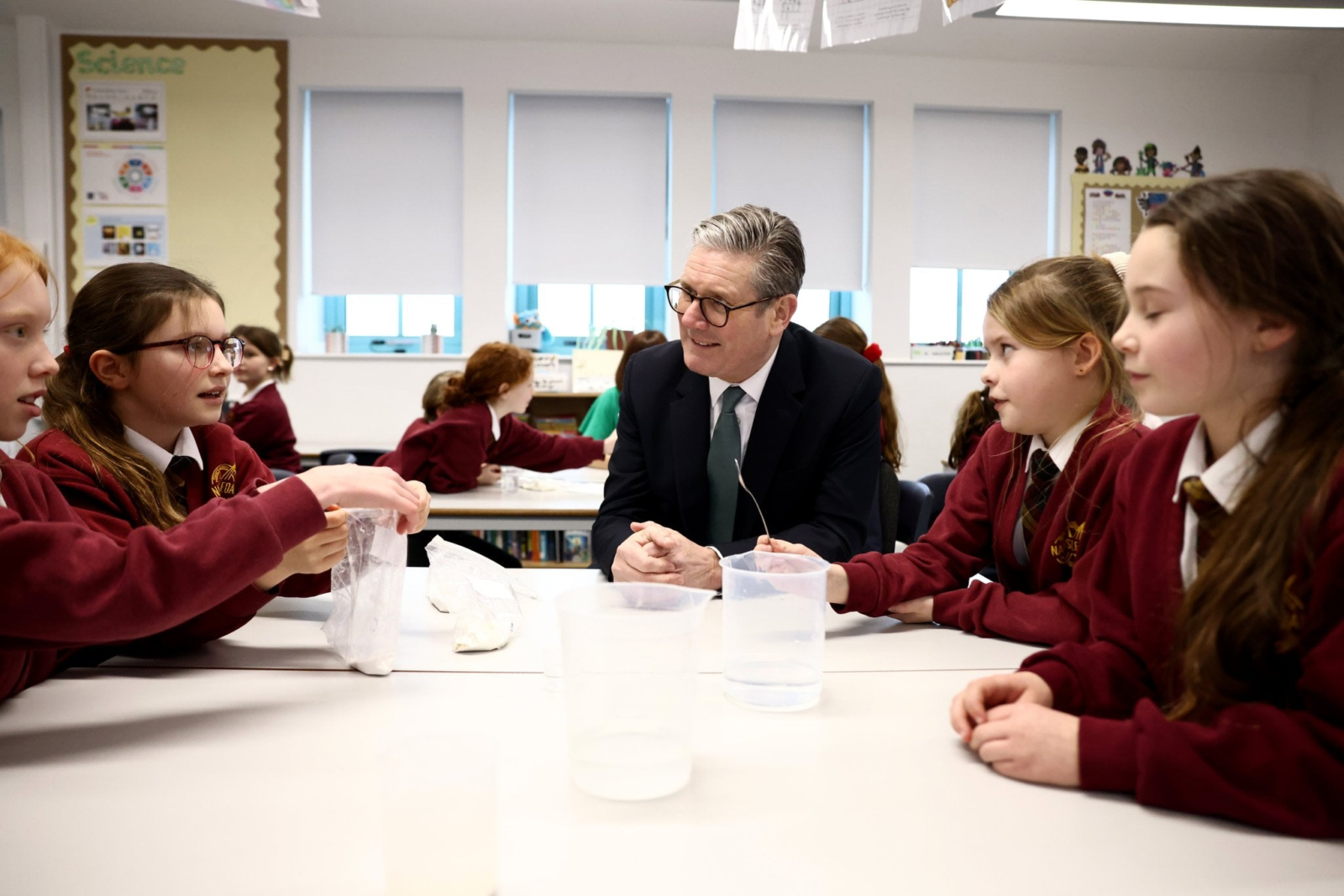
UK Prime Minister Keir Starmer has outlined a series of measures to protect children from the risks of social media.
This is as he warns that platforms will no longer receive a “free pass” in safeguarding young users.
On his X post late Sunday night, he wrote, “No social media platform should get a free pass when it comes to protecting our kids. That’s why I’m taking action.”
The Prime Minister, in a lengthy post, set out his position on Substack, an online platform that allows writers to publish opinions, newsletters, etc.
He shared a link to the post in a separate but immediate update on X, as confirmed by our correspondent on Monday.
He framed the move as a response to parents’ concerns and the broader harms children face online.
Online reports that Starmer’s message is grounded in a broader UK debate about tightening online safety laws, responding to public concern, and potentially following international models to regulate social media and AI tools more strictly in the interests of child wellbeing.
Writing on his Substack, Starmer said: “As a parent of two teenage children myself, I know that children’s access to social media is something that is front and centre of a lot of parents’ minds right now.
“We all say we will do anything to protect our children – and I think it’s right that the government supports parents through this.”
Starmer highlighted dangers that have persisted for years, questioning the response of tech companies.
He queried, “Of course, this isn’t a new challenge. The dangers of children being groomed, or encouraged to harm themselves, bullying and misogyny – we have been talking about this for years now.
“What have the social media companies done with that? Where is the great push from them to get their house in order?”
He described the government’s recent interventions and future plans.
“At the time of writing the last Substack on this topic, we had just moved quickly to make sure X fixed their AI bot Grok so it could no longer make non-consensual images.
“It was clear then that government intervention is needed to hold social media companies to account and keep young women safe,” he added.
Looking ahead, Starmer said the government will tighten existing online safety laws and seek new powers in Parliament.
“First, we are tightening up our existing online safety laws to ensure AI chatbots providers are firmly in scope.
“It’s vitally important that our rules keep up with the rapid pace of technological change.
“This will build on recent steps we’ve taken to ban nudification apps and criminalise the creation of intimate images without consent,” Starmer stated.
He outlined specific measures under consideration.
“This could include: setting a minimum age limit for social media… restricting specific functionalities that are detrimental to kids’ wellbeing and keep them hooked to their screens like endless scroll or autoplay; limiting VPN access for kids to make it harder for kids to get around age limits of services or certain functionalities,” he listed.
Starmer emphasised the rationale behind these actions.
A worried Starmer asked, “Can we honestly say our children are currently getting the opportunities they deserve when social media is damaging their attention spans, chipping away their confidence, social skills and mental health?”
He framed the move as part of a broader promise to parents.
“I will take the time needed to get this right. I will ensure that the actions we take are the right ones. But once that decision has been made, I will waste no time in getting on with it.
“We will bring new powers that will give us the ability to crack down on the addictive elements of social media, stop the auto-play, the never-ending scrolling, that keeps our children hooked on their screens for hours, and stop kids getting around age limits.
“And if that means a fight with the big social media companies, then bring it on. We can make a difference on this. Politics can be a force for good. We can protect our children, and we can protect their childhood,” he concluded.