
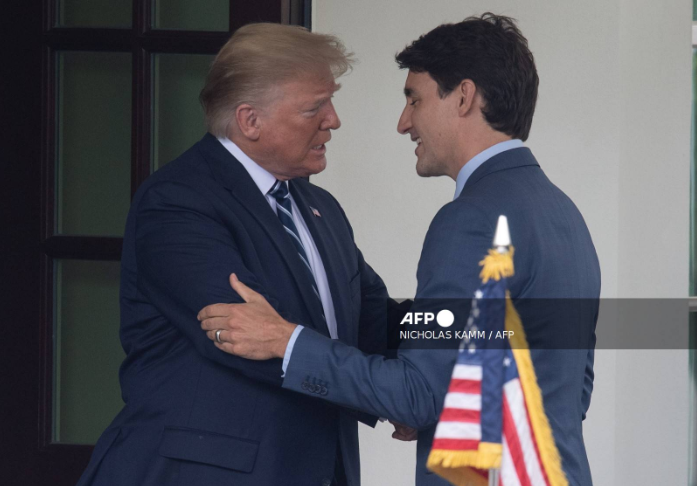
The agreement between the United States and Canada to delay the implementation of new tariffs for 30 days was the result of discussions between their respective leaders. The deal involves closer collaboration on border security, tackling issues like drug trafficking and money laundering. Canadian Prime Minister Trudeau announced plans to bolster border security with 10,000 police officers, designate drug cartels as terrorist groups, and appoint a “Fentanyl Czar” to combat drug spread. President Trump emphasized the focus on fentanyl and the temporary pause on tariffs to explore a potential economic deal.
Part of the agreement includes a $1.3 billion investment in border security technology, helicopters, and personnel. Ontario’s Premier Ford responded to US trade measures by prohibiting American companies from securing government contracts, impacting agreements such as the one with Starlink. The tariffs set to take effect would levy a 25 percent duty on most Canadian imports, with exceptions for oil facing a 10 percent surcharge. In retaliation, Canada announced a 25 percent tariff on $155 billion worth of American goods.
Ford framed the situation as an economic conflict, stressing Canada’s readiness to respond to the trade dispute. The negotiations between the two countries underscore the broader economic and diplomatic implications of their trade policies as they aim to mitigate impacts on businesses and consumers on both sides of the border.